Give a Zhao County Heritage Day a Bridge-First, Temple-Second Rhythm
Zhao County can make a very satisfying heritage day, but only when its two best-known stops are allowed to feel different. Zhaozhou Bridge asks you to look outward: at the low stone arch, the riverbank, the smaller openings above the main span, and the way a piece of engineering sits in the landscape. Bailin Temple asks for the opposite pace: a quieter arrival, more attention to the setting, and respect for a living Buddhist site.
Trying to rush through both as quick photographs misses the point of each. A better plan gives the bridge an observant first half, leaves room for a meal and the local transfer, then lets the temple become the slower second part of the day.
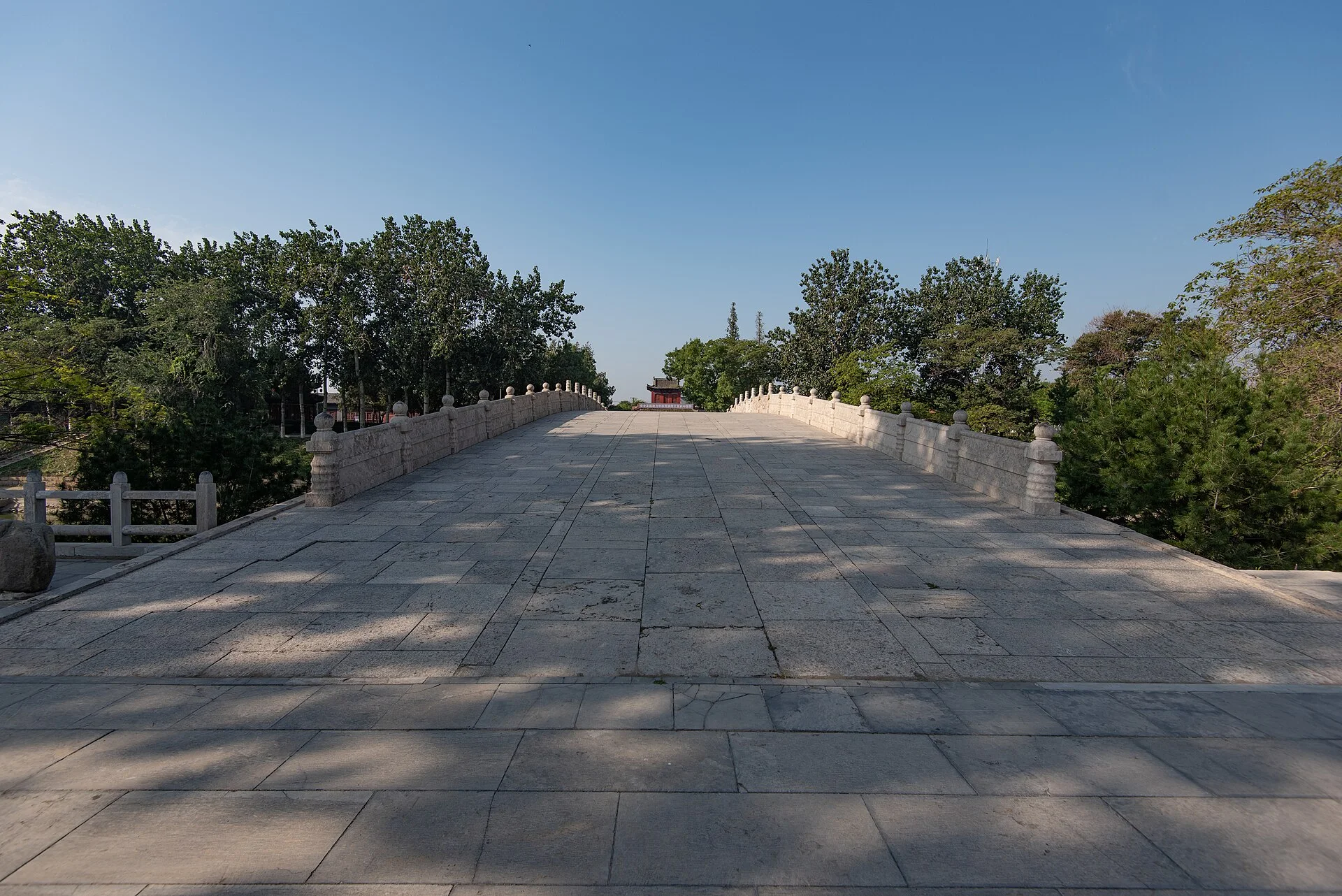
Use the bridge to begin with a clear question
Zhaozhou Bridge, also called Anji Bridge, is conventionally associated with the Sui dynasty and the builder Li Chun. Its main arch is the obvious feature, but the smaller openings above it are just as important: they reduce the weight of stone above the span and give floodwater more room to pass. Those openings are part of the bridge's engineering logic, not decoration.
The Zhaozhou Bridge guide gives useful background on the structure, carved details, and the wider county setting. Start from a permitted riverside viewpoint if possible, then walk slowly around the site. Look at the arch from more than one angle before taking photographs, and keep clear of carved stone, railings, or any area set aside for protection.
Do not make the local transfer invisible
The bridge and temple belong to the same county day, but they should not be treated as though they share one doorstep. Put the local connection, a water break, and a simple meal between them. That middle section gives the route room to adapt if a transfer takes longer than expected or an access arrangement changes.
It also keeps the two visits from competing. The earlier note on building a Hebei side trip around one anchor stop is useful here: the bridge can remain the day's visual anchor, while the temple becomes a meaningful supporting experience rather than a second rushed itinerary.
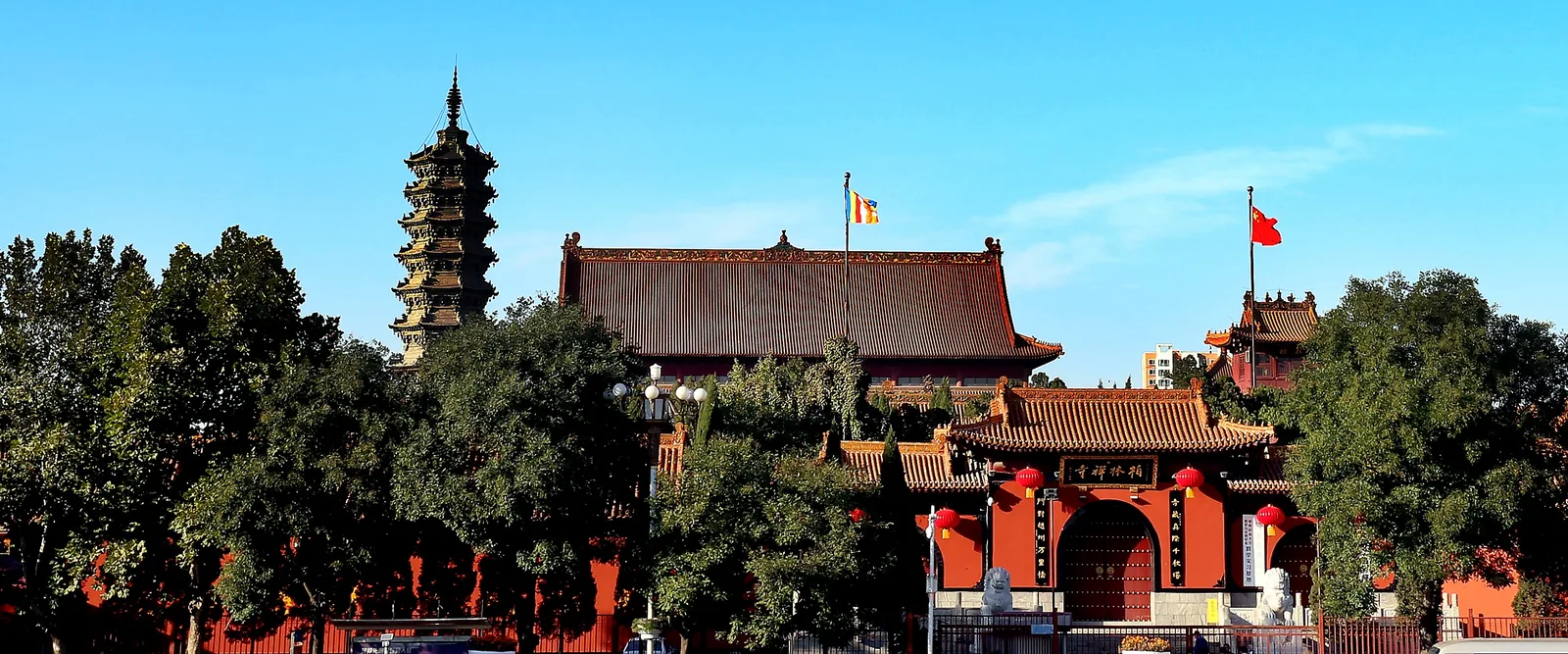
Let the temple change the pace
At Bailin Temple, arrive ready to slow down. The site is known for its Chan Buddhist tradition and the Zhaozhou Pagoda, but a good visit is not about checking off every feature. Notice the change from the bridge's open river landscape to a more enclosed religious and cultural setting. Keep voices low, follow current notices, and treat any photography or access rules as the final word.
The Bailin Temple guide provides the historical context and practical visit guidance that helps make this stop more than an add-on. If a hall is closed or an area is not open, do not try to replace it with a hurried detour. The grounds, pagoda context, and calmer atmosphere can still give the afternoon its own identity.
Choose the order with the actual day in mind
Bridge first and temple second is a useful default because it moves from an open outdoor landmark toward a more reflective visit. But transport, weather, and current access may suggest reversing the order. Check these details shortly before leaving, then commit to one clear sequence instead of trying to keep both options alive all day.
This is also where a shorter route helps. If the weather turns uncomfortable or the first stop takes longer than planned, keep the better of the two visits and protect the return. The note on keeping a Hebei side trip flexible when the weather changes offers a practical way to think about that decision before the day becomes tight.
Protect the last hour
Zhao County is most practical when you have already decided what the final transfer needs to accomplish. Whether you are returning to Shijiazhuang or connecting to an evening train, leave enough time for local traffic, station entry, and a small margin for delays. Do not use the last comfortable departure window as extra sightseeing time.
The earlier note on building a return buffer before a Hebei day trip is especially relevant for a county route, where a small delay between stops can change the whole evening. A shorter, calmer finish is better than turning the bridge or temple into a memory of clock-watching.
One county, two ways of looking
The bridge and temple work well together because they offer different kinds of attention. At Zhaozhou Bridge, look outward at stone, water, structure, and time. At Bailin Temple, look more quietly at the setting, the rhythm of the grounds, and the traditions carried there. Give each place the pace it deserves, and a Zhao County day can feel far more complete than a longer list of rushed stops.


Comments
Post a Comment