Make Eastern Qing Tombs the Anchor of a Zunhua Day Trip
Eastern Qing Tombs can look like one stop on a wider Hebei route, but it works better when it becomes the main reason for the day. The tomb area is large, the historical context is layered, and the most satisfying visit usually depends on a slow order rather than a long checklist. If you treat it as a quick photo stop between other places, the route can feel thin even after a lot of movement.
A Zunhua day trip should therefore begin with a simple question: how much of the day should belong to the tombs? For most travelers, the answer is more than expected. Once that is accepted, the rest of the plan becomes easier. You can choose a realistic arrival time, avoid weak add-ons, and protect the return journey before the afternoon starts to slip.
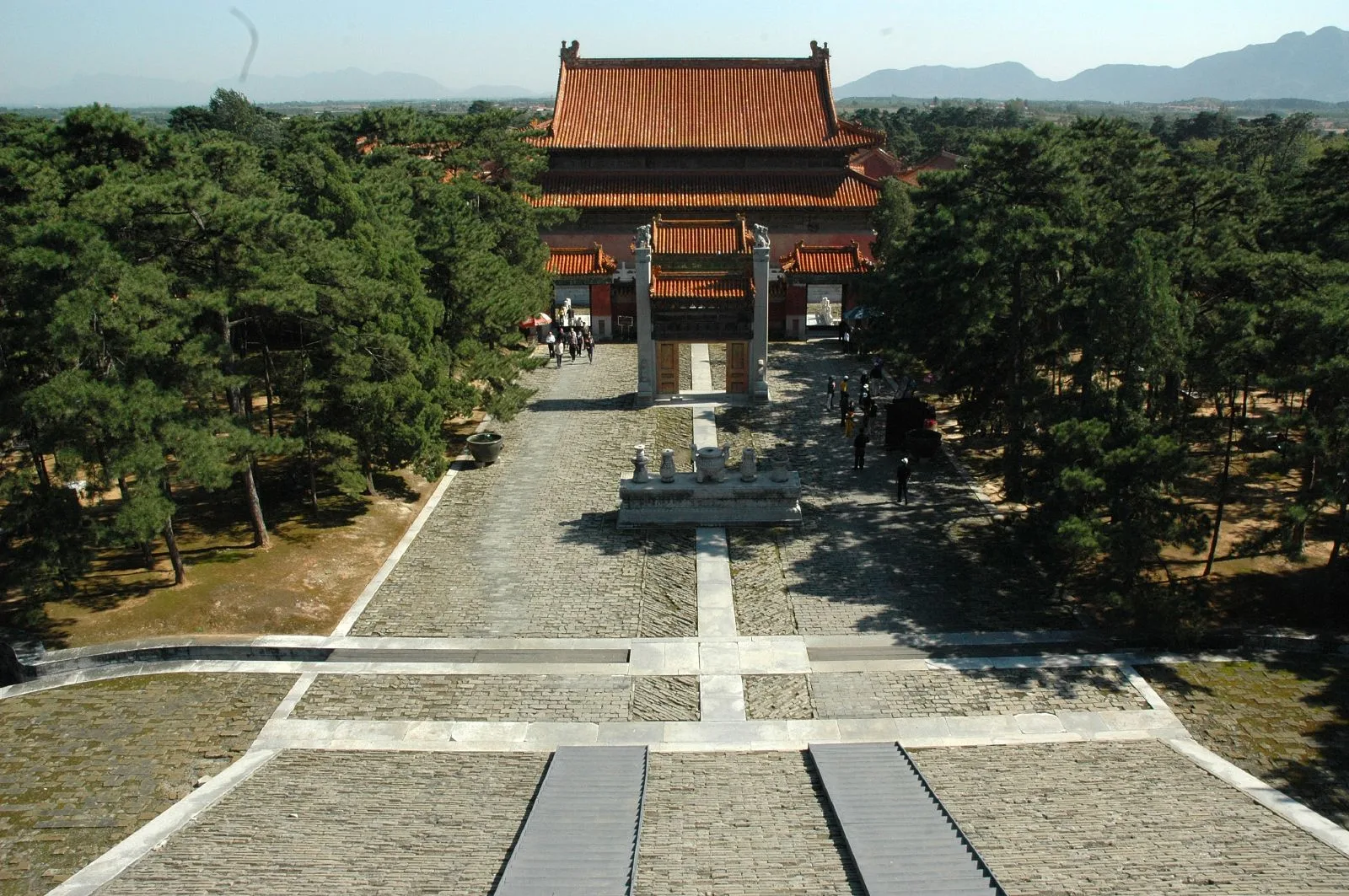
Start with the Sacred Way and the big route shape
The tomb complex is not just one building. It includes ceremonial space, imperial tomb architecture, connecting roads, and individual sites that can blur together if you rush. A practical way to begin is to understand the broad layout first, then decide which parts deserve the most time. The Eastern Qing Tombs guide is useful for that larger orientation because it frames the Sacred Way, tomb priorities, route timing, and visitor notes in one place.
With this kind of site, the first hour matters. Do not spend it wandering between entrances or negotiating the order from scratch. Arrive with a rough sequence, confirm how you will move inside or between sections, and make the first major stop count. This follows the same principle as planning the first hour after arriving on a Hebei side trip: the start of the visit should reduce friction, not create more decisions.
Keep the tombs as the anchor, not a middle stop
A common problem with Zunhua planning is trying to combine too many nearby names into one day. The map may make that look efficient, but the emotional pace of Eastern Qing Tombs is different from a fast city stop. It needs time to read the space, walk slowly, take in the scale, and leave room for quiet transitions between points.
This is why the older idea of building a Hebei side trip around one anchor stop is especially relevant here. If the tombs are the anchor, the rest of the route should support them. A meal, a short town stop, or a simple station transfer can fit. Another demanding attraction may weaken the day.
Use transport timing to decide how much to add
Eastern Qing Tombs is not the same kind of trip as a high-speed train city hop. The final approach can involve road transfers, and that makes buffers more important. Before adding anything else, check the practical route from Beijing, Tangshan, or Chengde and decide how much time is truly available after the main visit. The Zunhua Eastern Qing Tombs day trip route notes are a better match for this planning layer because they focus on day-trip timing and access from nearby cities.
Once the road time is clear, set a latest-departure point from the tomb area. That point should be earlier than the absolute last possible departure. A day with long road transfers can unravel quickly if the last buffer depends on perfect traffic or an instant taxi pickup.
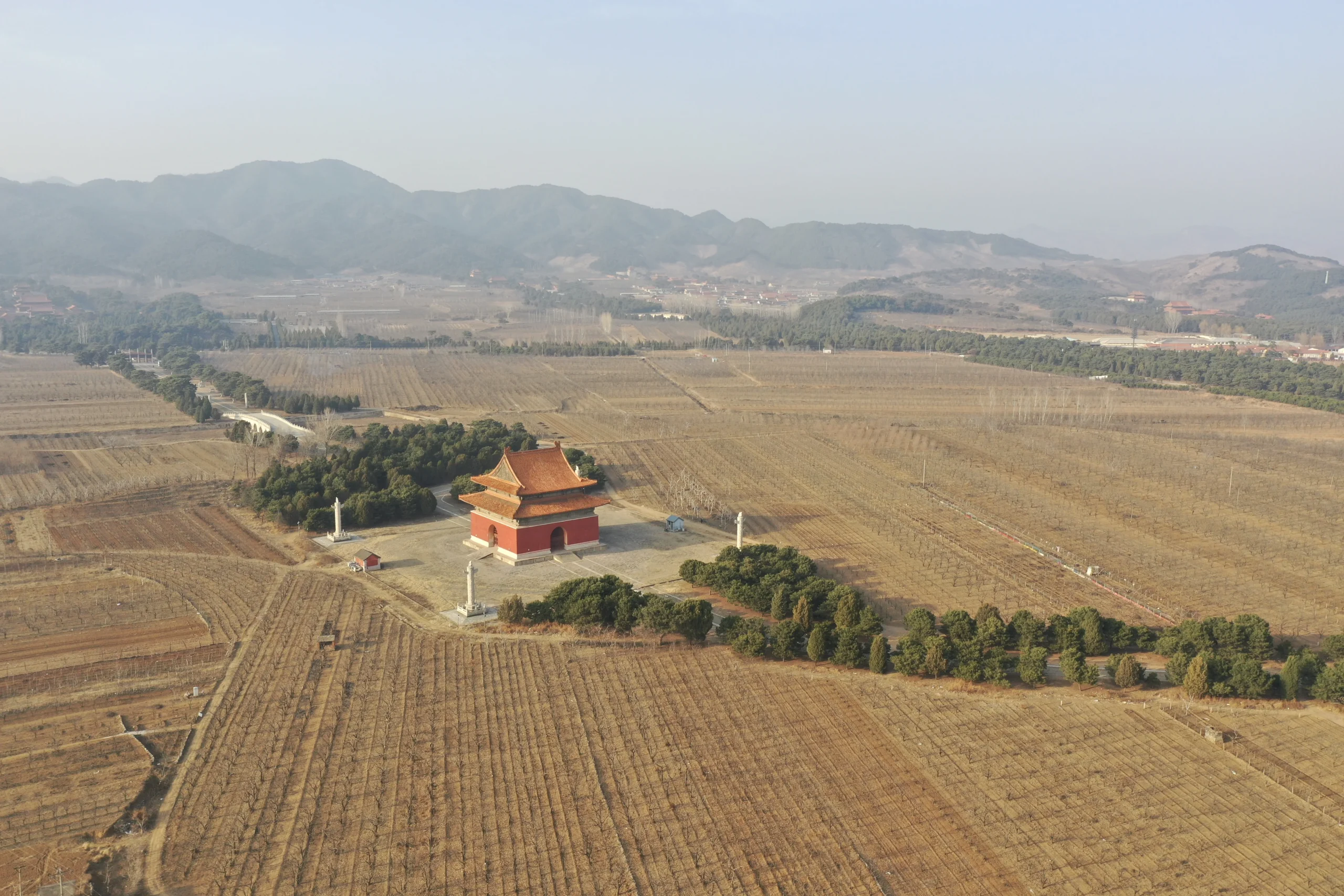
Plan lunch as a reset, not a detour
Lunch should support the tomb visit rather than pull the day off course. If you eat before entering, keep it simple and close enough to preserve the main time block. If you eat after the main visit, use it as a reset before the return leg. What usually does not work is a long meal far from the route, followed by a rushed attempt to return to the tomb area or catch the next transfer.
The lunch-window logic from planning a real rest and lunch window applies strongly here. A short, intentional break helps you check the remaining route, weather, energy level, and departure timing. It is more useful than squeezing in a weak stop just because there is still a little daylight.
Know what to skip before you arrive
A good Eastern Qing Tombs day is usually not about seeing every possible corner. Decide in advance what can be skipped if the visit moves slowly. That might be a secondary stop, an extra photo area, a longer town walk, or dinner before returning. Having that cut ready makes the day calmer because you are not making the decision when everyone is tired.
The same idea appears in choosing what to skip on a Hebei side trip. Remove the part that adds the most movement for the least reward. For Zunhua, that often means protecting the tomb visit first and letting small extras remain optional.
Make the finish quiet
After a large historical site, a quiet finish is better than a dramatic one. Leave enough time to exit without rushing, reach the transfer point, and handle the return journey with a clean buffer. If the day started early from Beijing, a smooth return can matter as much as one more late stop.
Think of the day as one strong historical visit with careful edges: a clear arrival, a protected tomb route, a practical meal, and a return that does not depend on luck. That shape makes Eastern Qing Tombs feel like the center of the trip rather than one item on a crowded list.


Comments
Post a Comment