How to Keep a Hebei Side Trip Flexible When the Weather Changes
A Hebei side trip from Beijing can look simple when you plan it from a desk. The train is booked, the attraction list is ready, and the route seems to fit the day. Then the weather changes: rain arrives, the coast turns windy, the afternoon becomes hotter than expected, or winter daylight feels shorter once you are actually on the ground.
That does not always mean the trip is ruined. It means the plan needs a flexible structure. A good Hebei route should have one main purpose, one realistic backup, and enough transport buffer to change pace without losing the whole day.

Start with a route that can be shortened
The easiest weather-friendly route is one that can be shortened without losing its meaning. A compact city route usually handles this better than a long outdoor route. If rain starts, you can slow down, spend more time at a museum or historical site, choose a nearby meal, and still return on schedule.
Baoding is a useful example because the day can stay focused around Ancient Lotus Pond, old-city walking, local food, and nearby historical stops. If the weather is good, you walk more. If the weather turns awkward, you reduce the walking and keep the route centered. A detailed Beijing to Baoding day trip plan is a good model for this kind of compact route.
Do not make the coast your only plan in bad weather
Qinhuangdao and Beidaihe can be excellent when the weather supports a coastal day. The route works especially well when you want sea air, a slower weekend feel, and possibly Shanhaiguan or Laolongtou as a history layer. But coast trips depend more on wind, visibility, rain, and season than many inland city routes.
If the beach is the only reason for the trip, poor weather can make the day feel thin. A better plan pairs the coast with a second theme: Shanhaiguan, Laolongtou, seafood, station-area logistics, or a hotel-area decision. The Beijing to Qinhuangdao and Beidaihe train guide helps because station choice can change whether the route leans toward beach time, Qinhuangdao city, or Shanhaiguan history.
Use heat as a timing problem, not only a comfort problem
Summer heat changes the order of the day. It is usually better to do the more exposed outdoor walking earlier, take a longer indoor or shaded break at midday, and keep the afternoon route lighter. Carry water, protect against sun, and do not treat every scenic walk as if it will feel the same at noon as it did in the morning.
For short Hebei trips, heat also affects how many stops you should add. A three-stop plan in mild spring weather may become a one-anchor plan in summer. This is not a downgrade; it is how you keep the day pleasant enough to remember clearly.
Rain favors museums, old streets, and shorter transfers
Rain does not automatically cancel a Hebei day trip, but it should change the route style. Long exposed walks, mountain routes, and scattered taxi transfers become less attractive. Museums, old city areas, covered food stops, and closer station-to-attraction routes become more useful.
Before locking a route, scan the broader Hebei travel tips so the plan has practical backup ideas instead of depending on one perfect weather scenario.
Wind and winter make return timing more important
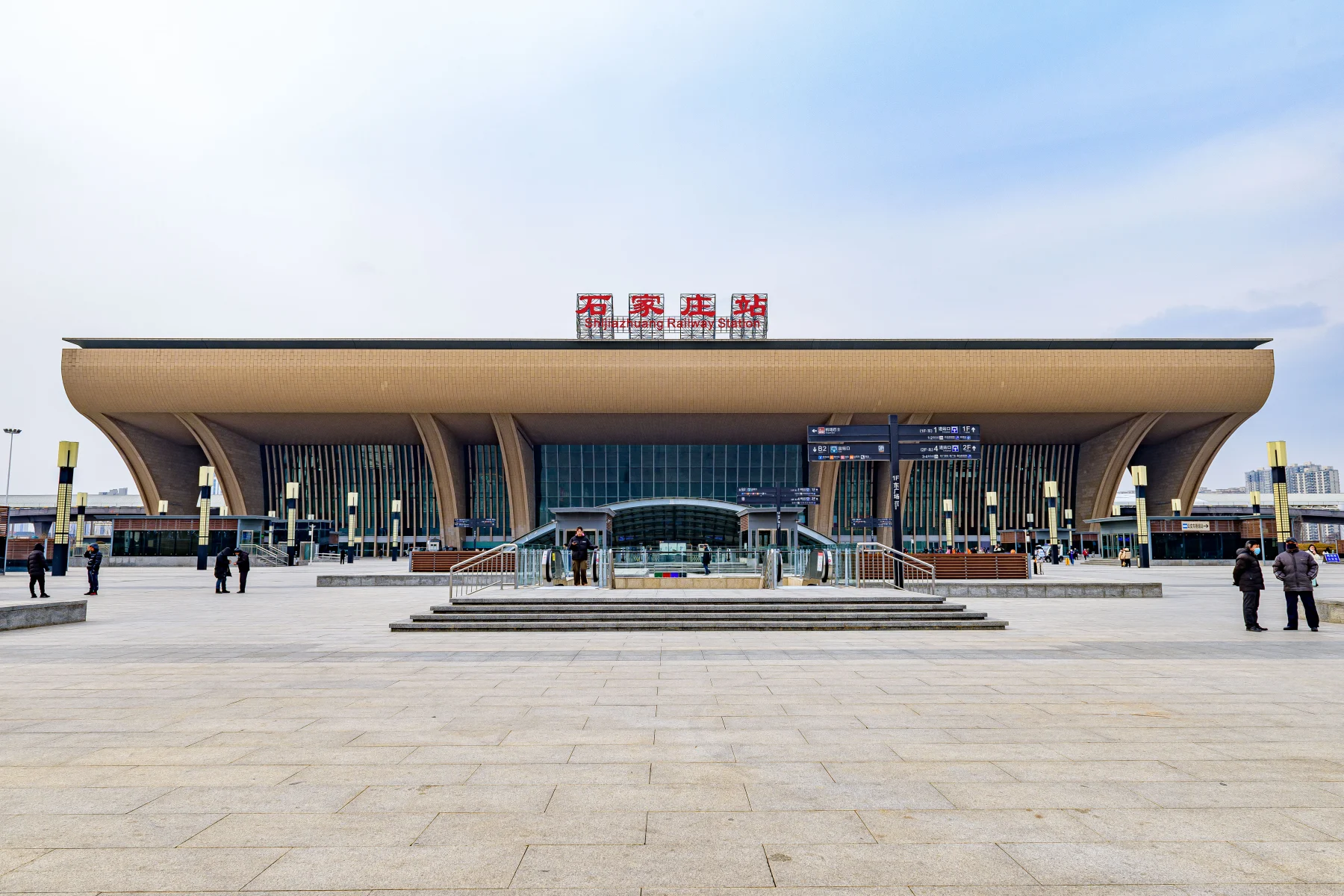
Cold wind, icy surfaces, and short daylight can make a route feel harder than the map suggests. In winter, choose easier walking surfaces, keep outdoor time realistic, and avoid return plans that depend on a tight final transfer. Even a simple route can become stressful if you are cold, tired, and still far from the station.
This is where the train-day checklist matters. The previous note on what to check before a high-speed train day trip in Hebei is especially relevant in winter, because the return buffer and local transfer are part of the safety of the plan, not just convenience.
Know when to switch from day trip to overnight
Sometimes the weather-friendly answer is not to shrink the route, but to slow it down. Chengde, Qinhuangdao, and other larger routes can be more enjoyable as overnight stays when the weather is uncertain because you are not trying to force every important stop into one narrow window.
If the destination has a large site, a coast-plus-history plan, or a second major theme, compare the day trip with an overnight rhythm. The earlier note on when a Hebei side trip should become an overnight stay explains this decision in more detail.
A simple weather-flexible structure
Build the day around one anchor stop. Add one optional nearby stop. Choose a meal location that does not pull you far off route. Keep the return train realistic. Prepare a shorter version of the day before you leave Beijing.
That structure works in many Hebei cities because the goal is not to predict the weather perfectly. The goal is to make sure the trip still works if the weather is only partly cooperative. A flexible Hebei side trip is usually more satisfying than an ambitious one that depends on everything going exactly right.


Comments
Post a Comment