Plan Around Fixed Show Times on a Hebei Day Trip
Some Hebei day trips are easy to adjust as you go. You can walk a little less, eat a little earlier, or skip a small stop without changing the whole day. Other trips are different because one part of the route has a fixed time: a performance, a guided entry, a closing hour, a train connection, or a site that is only worth visiting when you arrive before the main crowd.
When a day has that kind of fixed point, the plan should be built around it from the beginning. Treat the timed attraction as the anchor, then let meals, transfers, and extra stops support that anchor. If you plan the timed part like an ordinary stop, the whole day can become a chain of small delays.
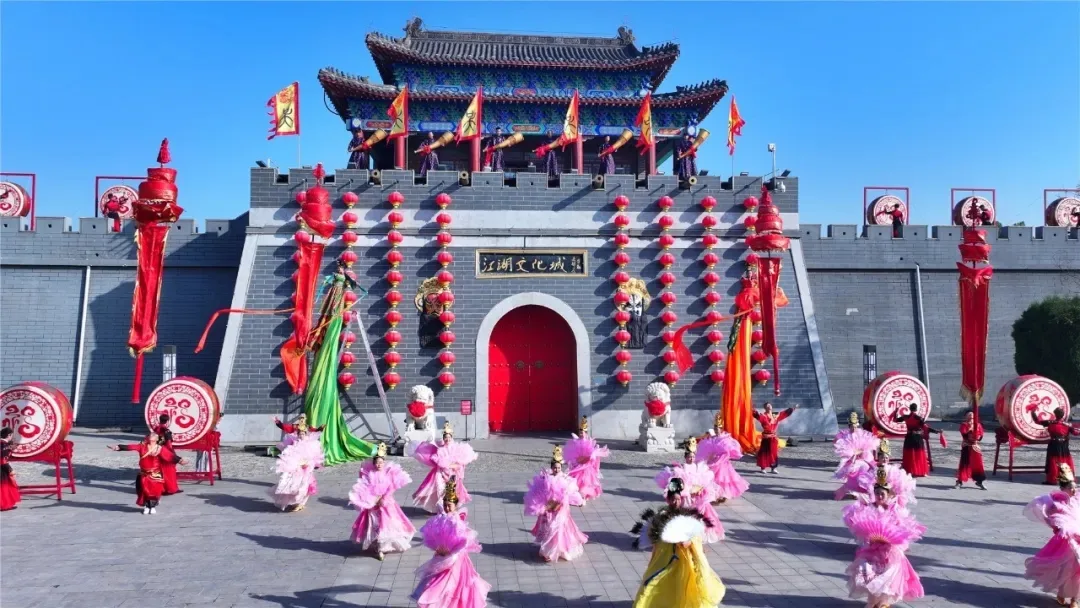
Start with the fixed point, then build outward
The first question is not how many places can fit into the day. It is which timed part would be disappointing to miss. For a performance area, that may be the main show window. For a museum or historic site, it may be the entry time that gives you enough room before closing. For a garden or old city walk, it may be the hour when light, crowds, and temperature are most comfortable.
Once that fixed point is clear, place it in the middle of the day rather than at the edge if possible. A late-morning or early-afternoon anchor gives you room to recover from a slow train arrival, station transfer, or ticket check. It also leaves space afterward if the visit runs longer than expected.
Keep the stop before it easy to shorten
The stop before a timed attraction should be flexible. A quick station-area breakfast, a short street walk, or a simple photo stop works better than another major attraction. If the train is late or the taxi takes longer than expected, you can shorten the warm-up stop without damaging the main reason for the trip.
This is the same logic behind building a Hebei side trip around one anchor stop. The anchor gets the best time and the clearest route. Everything else has to prove that it helps the day rather than competes with it.
Make lunch part of the timing plan
Lunch is often where timed days go wrong. If you eat too early, the afternoon becomes long and tiring. If you eat too late, you may rush into the performance or arrive at the main visit without a real pause. For a fixed-schedule route, lunch should sit either before the timed stop as a controlled reset, or after it as a reward once the main pressure is gone.
The key is to avoid a lunch plan that depends on finding the perfect restaurant at the last minute. Choose an area rather than one exact place, and keep a simpler backup nearby. The earlier note on planning a real rest and lunch window is especially useful for this kind of day, because the pause protects the timed part of the route.
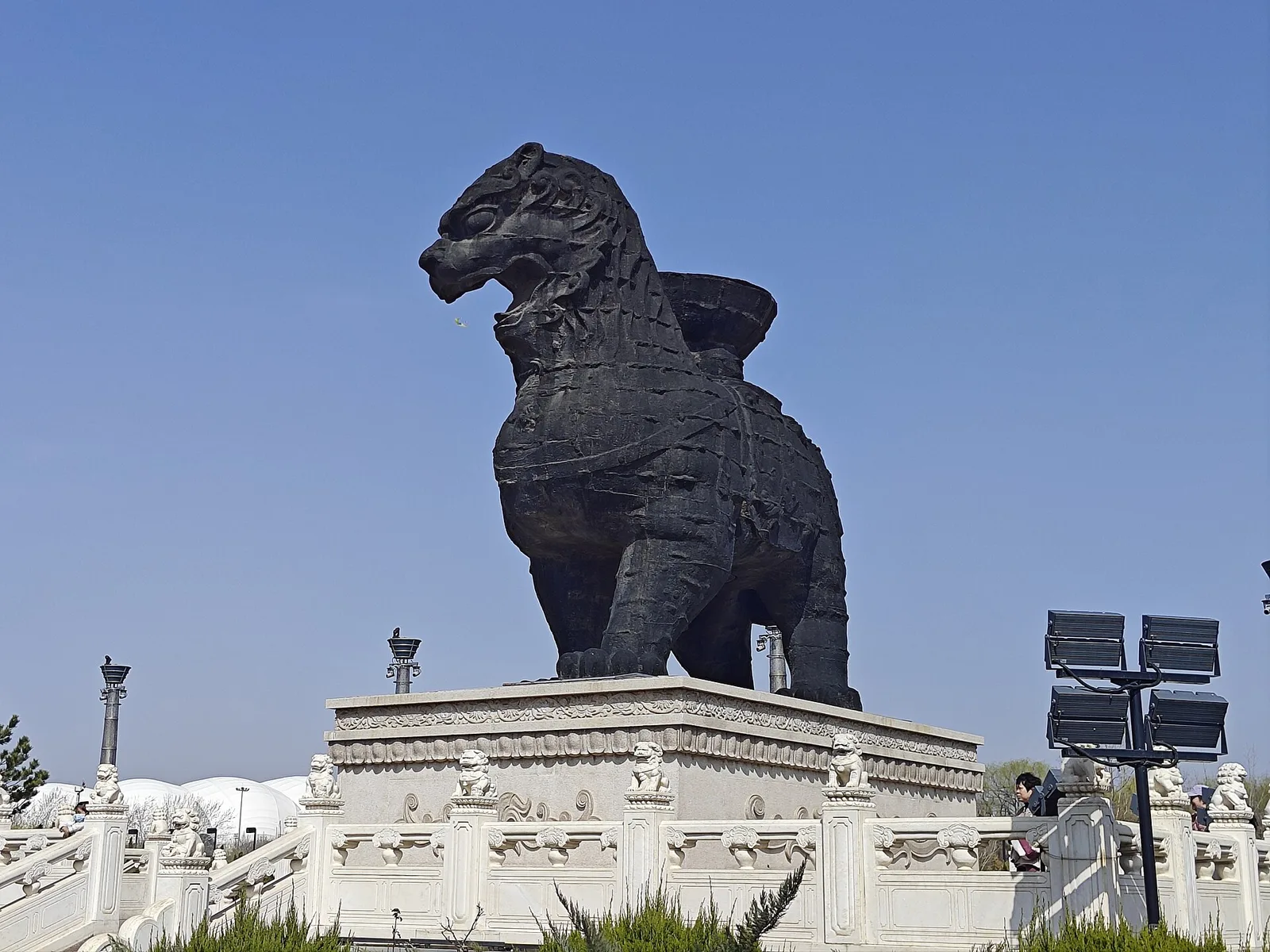
Use the second stop as a pressure valve
A second stop is useful only if it can expand or shrink. A compact heritage site, a short canal walk, a park near the station, or a simple old-town loop can fill the day without creating stress. A large second attraction with its own long transfer and ticket process may make the timed plan fragile.
Before adding that second stop, ask what happens if you arrive 45 minutes later than planned. If the answer is still acceptable, the stop can stay. If the answer is that dinner, the train, and the evening transfer all become tight, it should be removed or moved to another trip.
Check the train rhythm twice
Fixed-time attraction days need two train checks. The first is the obvious one: whether the outbound train gets you there early enough. The second is the return rhythm after the timed activity. A performance or guided visit may end at an awkward hour, and the station may not be close enough for a relaxed return.
The practical checks in taking a high-speed train day trip in Hebei still apply: station names, transfer time, ticket pickup or ID checks, and the gap between arrival time and the first real activity. For this kind of route, add one more check: the gap between the fixed event ending and the last comfortable return train.
Protect the finish instead of adding one more stop
After the timed attraction, the day can feel successful already. That is the moment to be careful. It is tempting to add one more famous place because there is still daylight, but the finish of the route has to stay clean. A smooth return, a simple meal, and a calm station arrival often matter more than squeezing in another stop.
The return-buffer approach in planning a Hebei day trip back to Beijing is the final filter. If the timed stop plus one extra visit leaves a healthy station buffer, the plan works. If the buffer depends on perfect traffic or a rushed meal, the route is too tight.
A simple fixed-time route shape
A steady version looks like this: arrive with a margin, keep the first stop light, take lunch where it protects the main schedule, give the timed attraction the best part of the day, then use only one flexible second stop before returning. This keeps the day specific without making it brittle.
Hebei has many places where timing matters more than distance. Once you plan around the fixed point first, the day becomes easier to enjoy because the important part is no longer at risk.


Comments
Post a Comment