Visit Guangfu for Tai Chi Context Without Treating Practice as a Show
Guangfu Ancient City in Handan is an easy place to misread. Its walls, water, lanes, and memorial sites make a handsome setting, while its connection with Yang Luchan gives it special meaning for many people who know tai chi from home. But the most rewarding visit is not a hunt for a scheduled performance. It is a slower walk through the city, with room to observe how a living practice sits beside ordinary streets and historic structures.
That shift in expectation makes the day more enjoyable. You may see individuals or groups practising in a square, park, or open lane, especially earlier in the day. You may not. Either way, the city still has a complete story to tell through its walls, water, and quiet changes of pace.
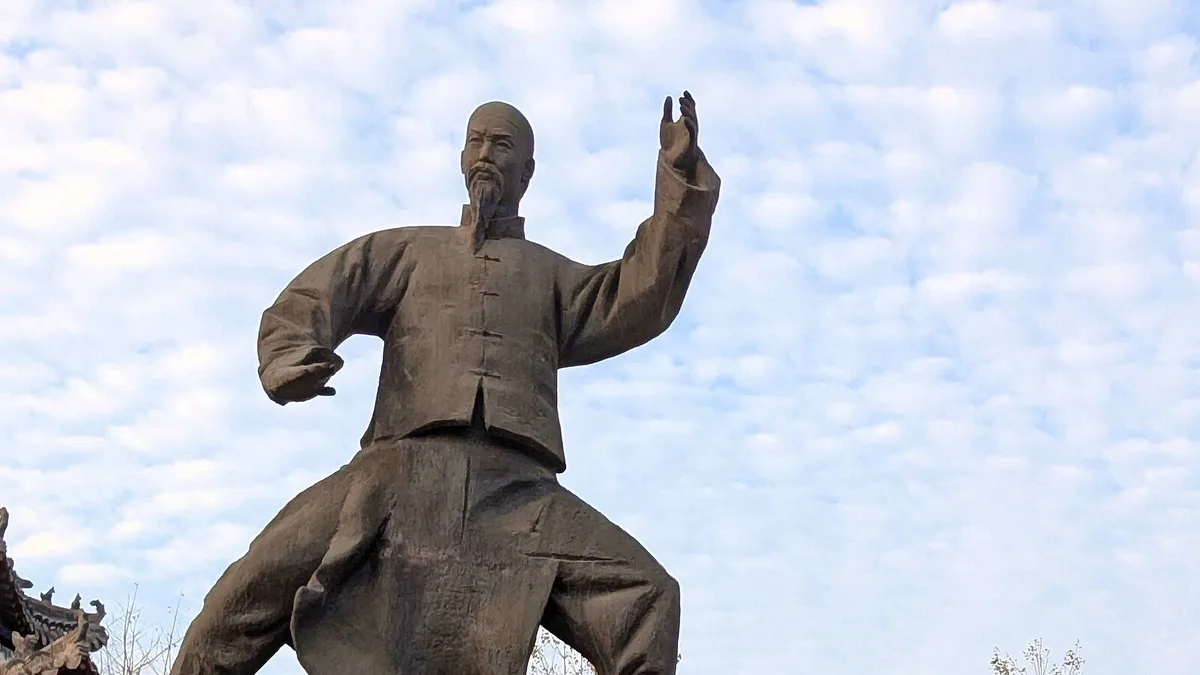
Start with the setting, not the search for a class
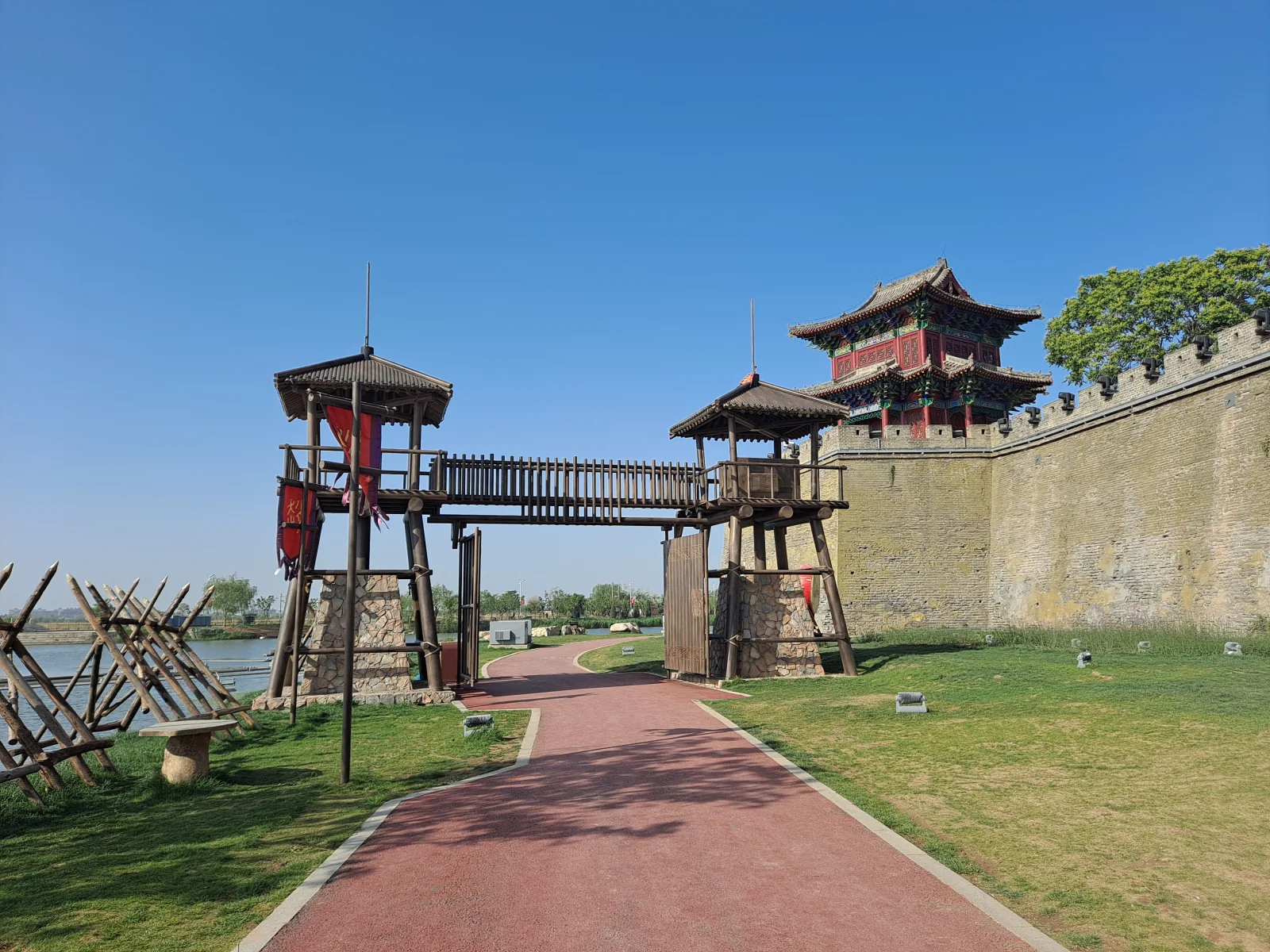
Begin outside the old-city walls or near a gate, then take time to see how water, ramparts, bridges, and open spaces define the place. This first walk gives the day a structure before you look for a particular statue, residence, or public activity. It also lets the city feel like more than a backdrop for a few slow movements.
The earlier note on building a Hebei side trip around one anchor stop applies well here. Let Guangfu itself be the anchor. A small memorial visit, a wall-top view where permitted, or a simple meal nearby can support the route, but none needs to compete with the city walk.
Watch public practice with patience
When you encounter people practising, give them space. Watch from the edge rather than walking through a group. Ask before taking a close photograph or recording video, and accept a polite refusal without making the moment awkward. Public practice is not automatically an invitation to join in, and a short visit is a chance to observe with care rather than claim expertise.
If you want instruction, arrange it in advance with a clearly identified teacher or organizer. Confirm the time, format, fee, and language support before you travel. Do not assume that a birthplace visit can stand in for sustained learning, and do not force unfamiliar movements or exercises simply because they look gentle.
Leave room for the ordinary city
After the first loop, choose one lighter follow-up: a waterside view, a lane walk, a local meal, or a quiet look at the city wall. The goal is contrast. You do not need to collect every attraction name in the area for the day to feel complete.
This is a useful place to apply the lesson from what to skip on a Hebei side trip. If a second stop requires a long transfer or turns lunch into a race, leave it for another visit. Guangfu is stronger when its own streets and public spaces have enough room to breathe.
Decide the end of the day before it gets late
Guangfu sits in the wider Handan area, so local travel still matters even when the old city itself feels compact. Before settling into the afternoon, check how you will return to your hotel, the station, or the next planned stop. Leave time for local traffic, finding the right pickup point, and station entry if you have a train.
The earlier note on building a return buffer before a Hebei day trip is particularly useful for this kind of route. A relaxed final walk is better than an extra stop that turns the last hour into a calculation.
A visit with the right scale
Guangfu can be meaningful for tai chi visitors precisely because it does not need to stage a perfect experience. Come to see the city first, observe any public practice respectfully, and give the walls, water, and ordinary movement of the old city time to matter. That leaves room for curiosity without turning a living tradition into a performance for visitors.


Comments
Post a Comment