Use a Xingtai Cave Day as a Weather-Friendly Hebei Backup Plan
Not every Hebei side trip has to fight the weather. On hot summer days, rainy afternoons, or hazy weekends, a cave-focused route can be a useful backup because the main experience is partly protected from the conditions outside. The key is to plan it as a real route, not as a last-minute escape with unclear transport and no return buffer.
Xingtai is a strong candidate for this kind of trip because it combines rail access, Taihang-area scenery, and cave attractions that feel different from old-city walks or temple days. A weather-friendly plan still needs structure: a clear main stop, a realistic station transfer, a simple meal window, and a decision about what to skip if the day starts late.
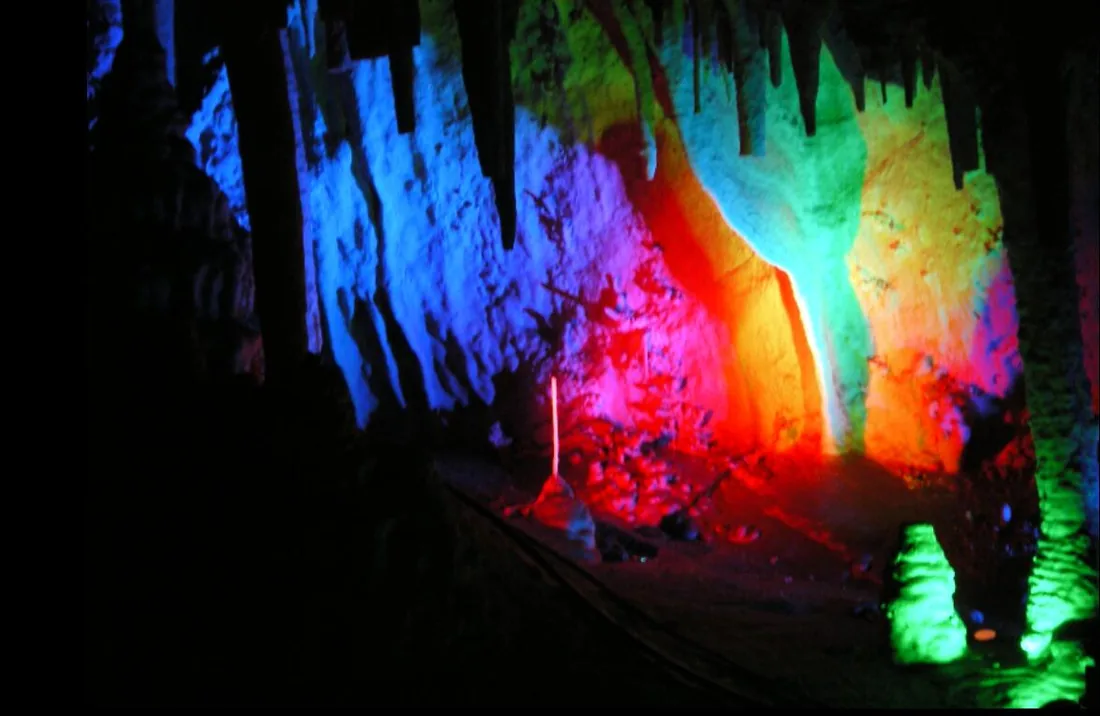
Make the cave the anchor, not the backup afterthought
If the weather is the reason you are choosing this route, put the cave first in the plan. Do not build a full outdoor itinerary and hope the cave can rescue the afternoon. For a Xingtai day, the Kongshan Baiyun Cave guide is the right main reference because the visit depends on cave timing, transport from the city area, walking comfort, and how much energy remains after the underground section.
Planning this way makes the route calmer. You know the main reason for the trip before you start, and any outdoor stop becomes optional. That is much better than discovering at noon that the backup attraction actually needs more transfer time than expected.
Check the train plan before you commit
A cave day is only weather-friendly if the transport is also manageable. Before deciding, check the train rhythm, arrival station, and realistic transfer time to the cave area. The Beijing to Xingtai train guide is useful for this part because the rail decision shapes the whole day: how early you need to leave, whether the route is better as a long day or overnight, and how much margin you have after the main visit.
This is where the broader advice on checking a high-speed train day trip in Hebei still applies. Station names, transfer gaps, and return windows matter more than the headline travel time. A fast train is not enough if the final transfer makes the main stop rushed.
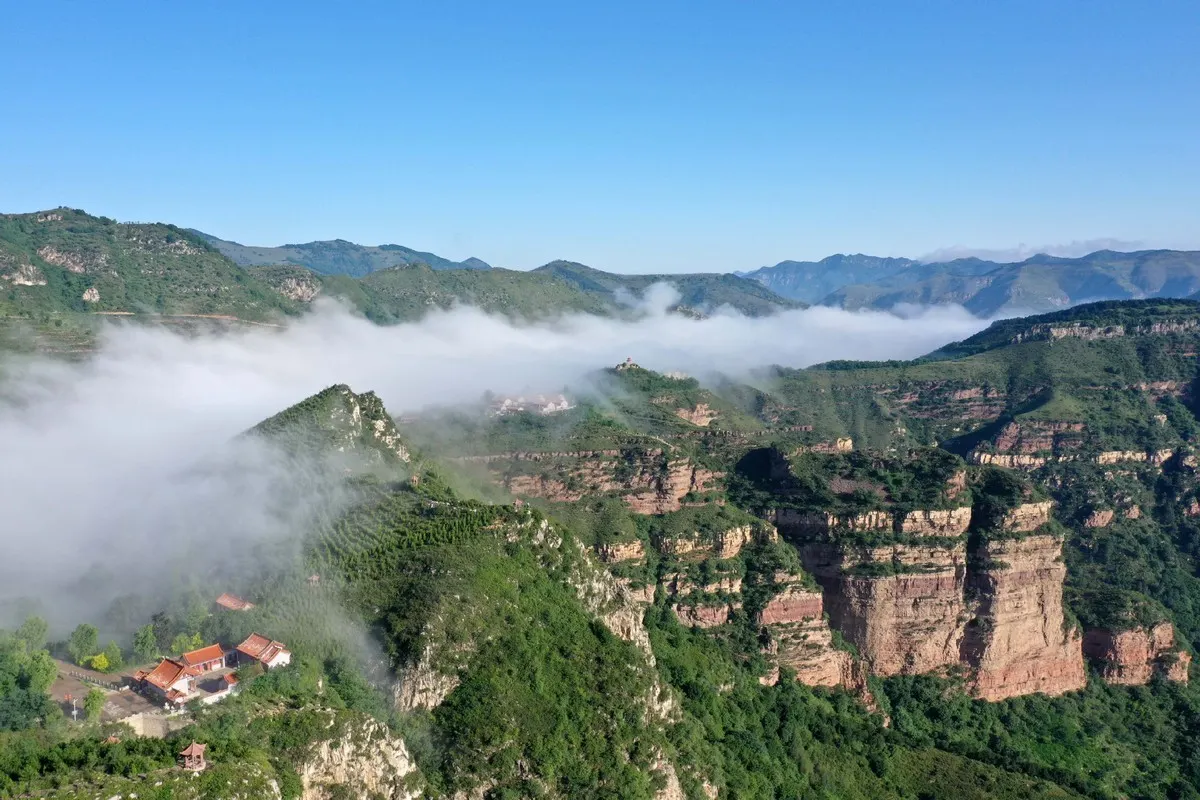
Use weather to simplify the day
Bad weather should make the itinerary simpler, not more complicated. If rain, heat, or haze changes the original plan, remove the weakest outdoor stop first. Keep the cave, keep a practical meal, and keep the station buffer. A covered or partly protected main stop does not mean the rest of the route can become careless.
The earlier note on keeping a Hebei side trip flexible when weather changes is especially relevant here. Flexibility works best when the backup has already been checked. If you know the cave route, transfer path, and return train before the weather turns, the day can shift without feeling improvised.
Choose the start time by return comfort
A cave visit can tempt travelers into a late start because the main attraction is not as light-dependent as a viewpoint or beach. That can work, but only if the return remains comfortable. If the cave is outside the main city area, a late start can push the transfer, meal, and train window too close together.
Use the same logic from choosing a morning or afternoon start. A morning departure gives more room for slow transfers and weather changes. An afternoon departure is better only when the route is short, the train options are flexible, and you are comfortable returning later.
Keep meals close to the route
For a weather-friendly day, meals should not create extra uncertainty. If the weather is hot or wet, a long search for a restaurant can drain the advantage of choosing a protected attraction. Pick a meal area near the station, city transfer point, or final return path. Keep one simple backup in mind.
The cave itself may be the memorable part of the day, but the breaks around it decide how tiring the route feels. A simple lunch or early dinner can make the return smoother than a more ambitious food plan that pulls the group away from transport.
Protect the return buffer after the main stop
Once the cave visit is finished, check the time before adding anything else. If the weather has improved and the return window is still comfortable, a short park, city walk, or station-area stop can work. If the buffer is narrow, leave the extra for another day.
The return-buffer method from planning the trip back to Beijing is the final test. A weather-friendly backup route should reduce stress. If the final train depends on perfect timing, the plan is no longer doing its job.
A steady Xingtai backup shape
A clean version is simple: choose the cave as the anchor, confirm the Xingtai train and transfer plan, keep lunch close to the route, add only one flexible extra if the weather and time allow, then leave with a protected return margin. This gives the day a real purpose without forcing outdoor sightseeing into poor conditions.
Used this way, a Xingtai cave route is not a compromise. It is a practical Hebei side trip that matches the weather instead of fighting it.


Comments
Post a Comment