What to Check Before Taking a High-Speed Train Day Trip in Hebei
A high-speed train can make Hebei feel very close to Beijing, but a good day trip still depends on more than the rail time. The train may be fast, while the station transfer, ticket timing, attraction distance, lunch stop, weather, and return buffer decide whether the day feels smooth or rushed.
This note is for travelers who already like the idea of a Hebei rail day and want to avoid the common mistake: choosing a city only because the train ride looks short. Before picking the exact destination, it helps to step back and decide what kind of Hebei side trip you want. I wrote a separate note on how to choose a Hebei side trip from Beijing; this post goes one level deeper into the train-day checks.
Check which Beijing station you are really using
Beijing has several major railway stations, and they do not feel interchangeable when you are trying to leave early. Beijing West, Beijing South, Beijing North, Qinghe, and Beijing Chaoyang serve different lines and sit in different parts of the city. A train that looks convenient on paper may become less attractive if the departure station is far from your hotel or requires a difficult morning transfer.
For a day trip, the first question is simple: can you reach the departure station without stress? If the answer is no, choose a later train, a nearer station, or a different destination. Saving twenty minutes on the rail section does not help if the morning metro or taxi transfer creates the real pressure.
Check the arrival station before checking attractions
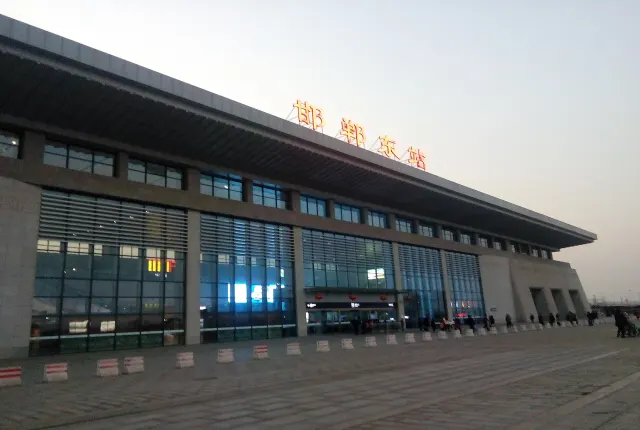
Many Chinese cities have more than one station. Some high-speed stations sit outside the older city center, while slower or older stations may be closer to local streets. That matters in Hebei because several good day-trip cities have attractions that are not directly beside the high-speed station.
Dingzhou is a useful example. Dingzhou East Station is the high-speed rail stop, but the old-city heritage area still needs a local transfer. That does not make the trip hard; it just means the station-to-attraction section must be included in the plan. A route guide such as the Beijing to Dingzhou high-speed train guide is valuable because it treats the city transfer as part of the route, not an afterthought.
Build the day around one anchor stop
Every successful Hebei rail day needs one anchor stop. In Dingzhou, that might be Kaiyuan Temple Pagoda and the old-city heritage route. In Baoding, it might be Ancient Lotus Pond and the nearby historical center. In Handan, it might be Guangfu Ancient City or a more focused city route. The anchor stop protects the day from becoming scattered.
After choosing the anchor, add only one or two nearby supporting stops. Do not start with a list of every attraction in the city. A full checklist may look efficient, but it can make the day feel shallow. A better route leaves enough time to walk slowly, read signs, take photos, eat locally, and still return to the station without watching the clock all afternoon.
Use the return train as a planning boundary
Many travelers plan the outbound train carefully and treat the return train as a detail. For a same-day trip, the return train is actually the boundary of the whole route. If the last useful return is too early, the destination may be better as an overnight trip. If the return options are frequent, the day can stay more flexible.
Leave a buffer before the return train, especially if the attraction is outside the city center or if you are relying on taxis. Weather, traffic, long security lines, or slow ticket checks can all compress the final hour. The safest day-trip rhythm is to finish the main sightseeing before the last possible return window, not exactly at it.
Match the city to the season
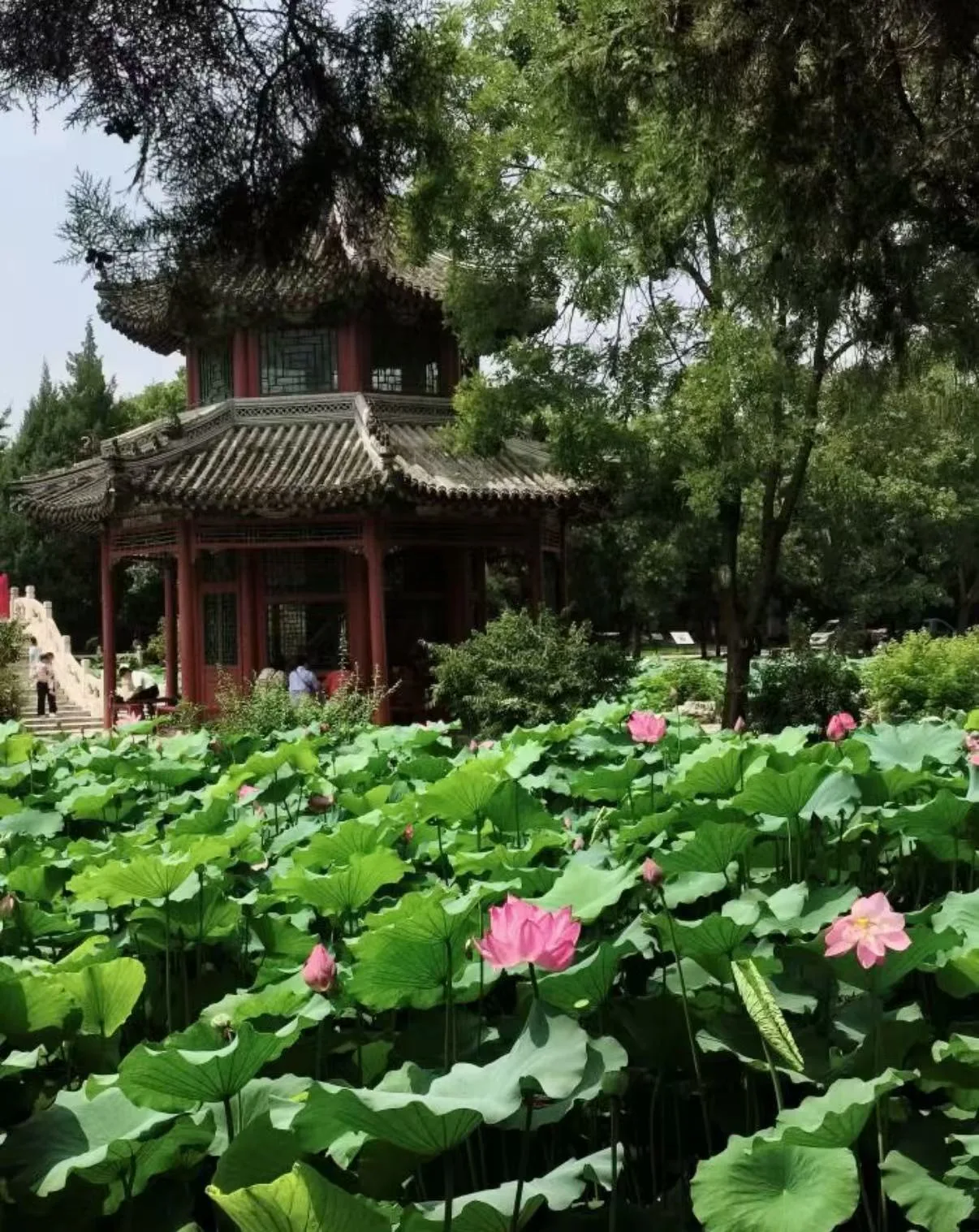
Season changes the quality of a Hebei day trip. In hot summer weather, a route with shade, museums, food stops, or shorter outdoor walks may be more comfortable than a long exposed route. In winter, station transfers, wind, and shorter daylight make compact plans more attractive. In spring and autumn, outdoor old-city walks and heritage routes are usually easier to enjoy.
For a broader planning base, the Hebei travel tips page is useful when you are comparing transport, timing, season, and general visitor preparation.
Decide whether food is part of the trip
Food can make a Hebei day feel much more local, but only if it fits the route. Baoding is a good food city for travelers who want donkey burger, old-city snacks, and a slower lunch break. Handan and Shijiazhuang-area routes can also include local meals, but the meal should not pull you too far away from the main stop unless food is the point of the trip.
If your schedule is tight, do not chase a famous restaurant across town. Choose something near the route and save the longer food hunt for an overnight stay. A calm lunch near the attraction is usually better than a stressful taxi ride for one specific dish.
Keep documents and apps boringly ready
For international visitors, the practical basics matter. Carry your passport, keep your train booking app or confirmation accessible, charge your phone, and have the Chinese names of stations and attractions ready. English may not be widely used at smaller stations, ticket counters, or local taxi interactions.
Also keep the destination name in Chinese if possible. Showing the station name, attraction name, and hotel or restaurant location in Chinese can reduce confusion. These small preparations do not make the trip exciting, but they make the day easier.
A simple pre-trip checklist
- Confirm the Beijing departure station and how long it takes to reach it.
- Confirm the Hebei arrival station and the transfer to the first attraction.
- Choose one anchor stop and one or two nearby additions.
- Check the return train before finalizing the afternoon plan.
- Leave time for food, security checks, and delays.
- Carry passport, phone battery, booking confirmation, and Chinese place names.
High-speed rail makes Hebei accessible, but it does not remove the need for route discipline. The best rail day is usually not the one that covers the most ground. It is the one where the train, local transfers, anchor attraction, food break, and return timing all fit together cleanly.


Comments
Post a Comment