Plan a Real Rest and Lunch Window on a Hebei Side Trip
A Hebei side trip can look efficient when every hour has a planned stop. The problem is that real travel does not move like a schedule table. Stations take time, taxis take time, weather changes your walking speed, and lunch can become a rushed problem if it is treated as an empty gap instead of part of the route.
For a short trip from Beijing, a real rest and lunch window is not a luxury. It is one of the things that keeps the day from feeling like transport work. The route should have enough space for one proper pause, especially if the trip includes an old-city walk, a museum visit, a coastal area, or a return train in the evening.
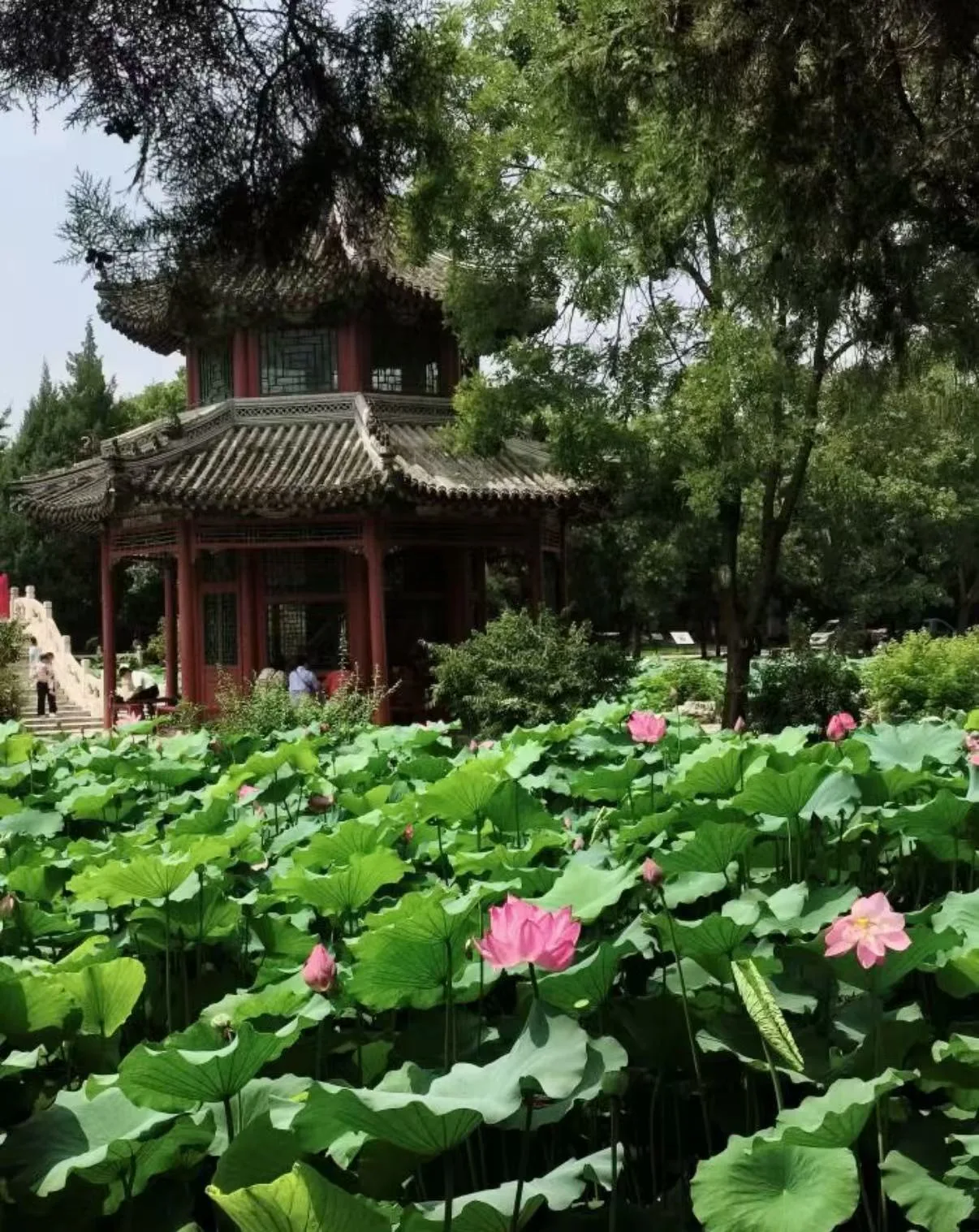
Put the pause near the anchor
The best lunch or rest break usually sits near the anchor stop. If the anchor is an old-city area, eat nearby. If the anchor is a museum, plan a pause before or after it instead of crossing town. If the anchor is a coastal walk, decide whether food belongs before the beach, after the beach, or near the station.
This keeps the route simple. A lunch stop that requires a separate long transfer is no longer a pause; it becomes another attraction. If you are still deciding what the anchor should be, the note on building a Hebei side trip around one anchor stop is the right starting point.
Use the first hour to protect the meal
The first hour after arrival often decides whether lunch feels calm or rushed. If you leave the station without knowing your first destination, the day can drift. By the time you choose a taxi route, check the map, and adjust the attraction order, the meal window may already be squeezed.
A simple arrival routine helps: confirm the first destination, transfer method, and return boundary before leaving the station. Then decide whether lunch should happen before the first stop or after it. The earlier note on planning the first hour after arriving on a Hebei side trip explains this arrival check in more detail.
Do not chase food across town unless food is the theme
Local food can make a Hebei trip more memorable, but it should fit the day. If food is the theme, then the restaurant or snack area can be the anchor. If food is not the theme, choose a practical meal near the main route. A good nearby lunch usually beats a famous place that costs an extra hour of transfer time.
This is especially true on a same-day train trip. The day already has hard edges: outbound station time, arrival transfer, return transfer, and train security. Adding a distant food stop may force you to cut the part of the trip you actually came for.
Use rest as a weather tool
Rest is not only about being tired. It is also a way to adjust for weather. On hot days, a longer indoor or shaded lunch can protect the afternoon. On rainy days, a cafe, museum-adjacent break, or slower meal can replace an exposed walking section. In winter, a warm pause can make the return part of the day feel less harsh.
The route should have a shorter version ready before weather forces the decision. If you need a framework for that, the note on keeping a Hebei side trip flexible when the weather changes is directly related.
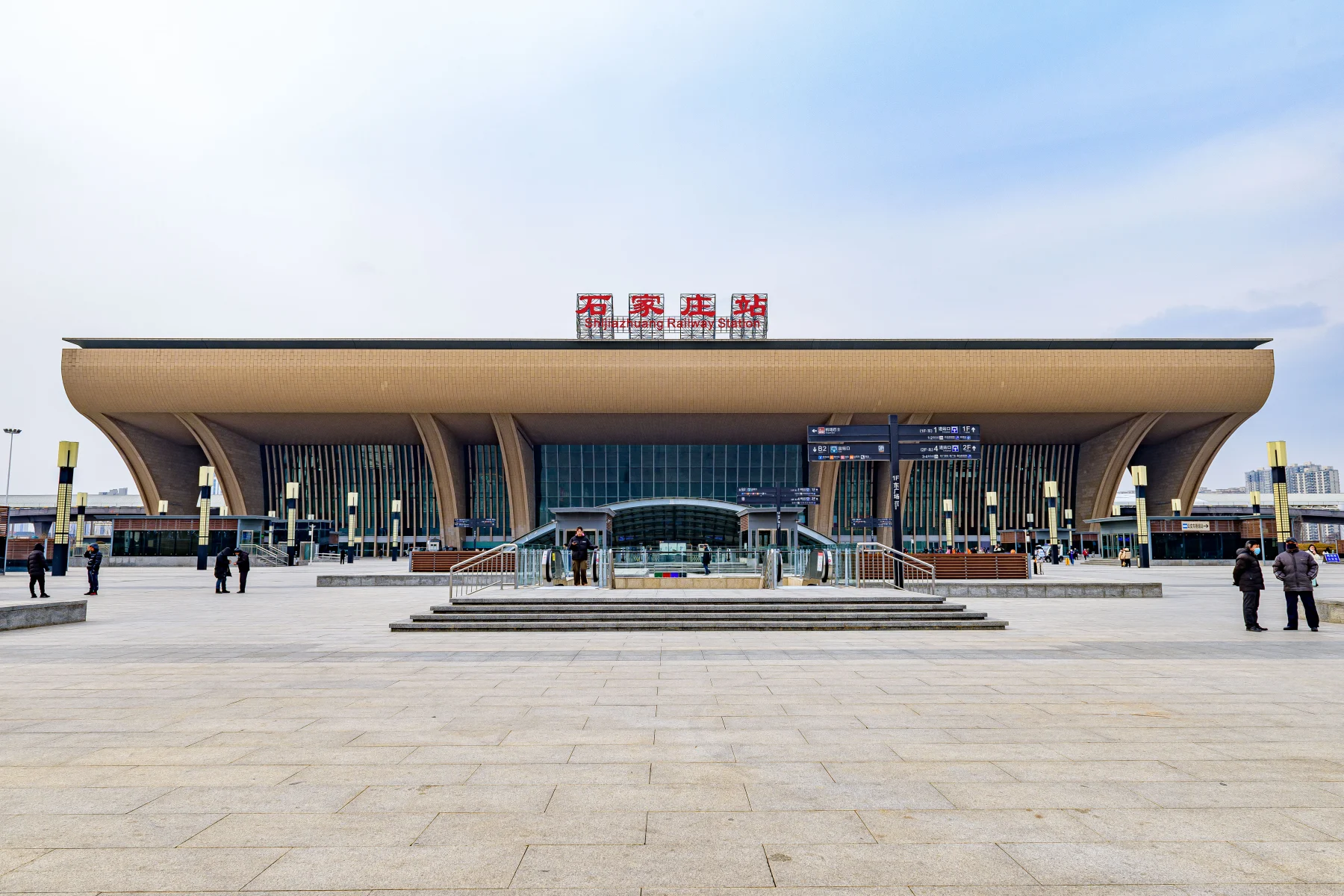
Skip the stop that steals the break
If a route has no time for a meal or rest, it probably has one stop too many. The stop to remove is usually the weakest supporting stop: the one that is far from the anchor, adds a new transfer, or exists only because it looked convenient on a list.
This is where skipping becomes a planning skill. The note on what to skip on a Hebei side trip is useful because it treats skipping as a way to protect the quality of the route, not as a failure.
Overnight trips need a different kind of pause
If the trip becomes overnight, lunch is no longer the only important pause. Hotel check-in, evening food, and the next morning's start also matter. The same rule still applies: the pause should support the route, not interrupt it.
When two major themes both need time, do not try to solve the problem by cutting every rest break. Compare the route with the note on when a Hebei side trip should become an overnight stay. Sometimes the cleaner answer is more time, not a tighter day.
A simple rule for the middle of the day
Protect one real pause. Put it near the anchor. Do not let it damage the return buffer. If an extra stop removes that pause, remove the extra stop instead.
A Hebei side trip should leave one clear memory, not just a record of movement. A proper lunch or rest window helps the route feel like travel rather than a transfer project.


Comments
Post a Comment