How to Pair Two Chengde Temple Visits Without Rushing the Day
Chengde can look close enough for a quick cultural side trip, but its best temple routes need more space than a simple station-to-attraction plan suggests. The outer temples sit around the city in a way that rewards a calm order, clear transport choices, and a realistic finish time. If you try to treat every stop as a short photo call, the day becomes mostly movement.
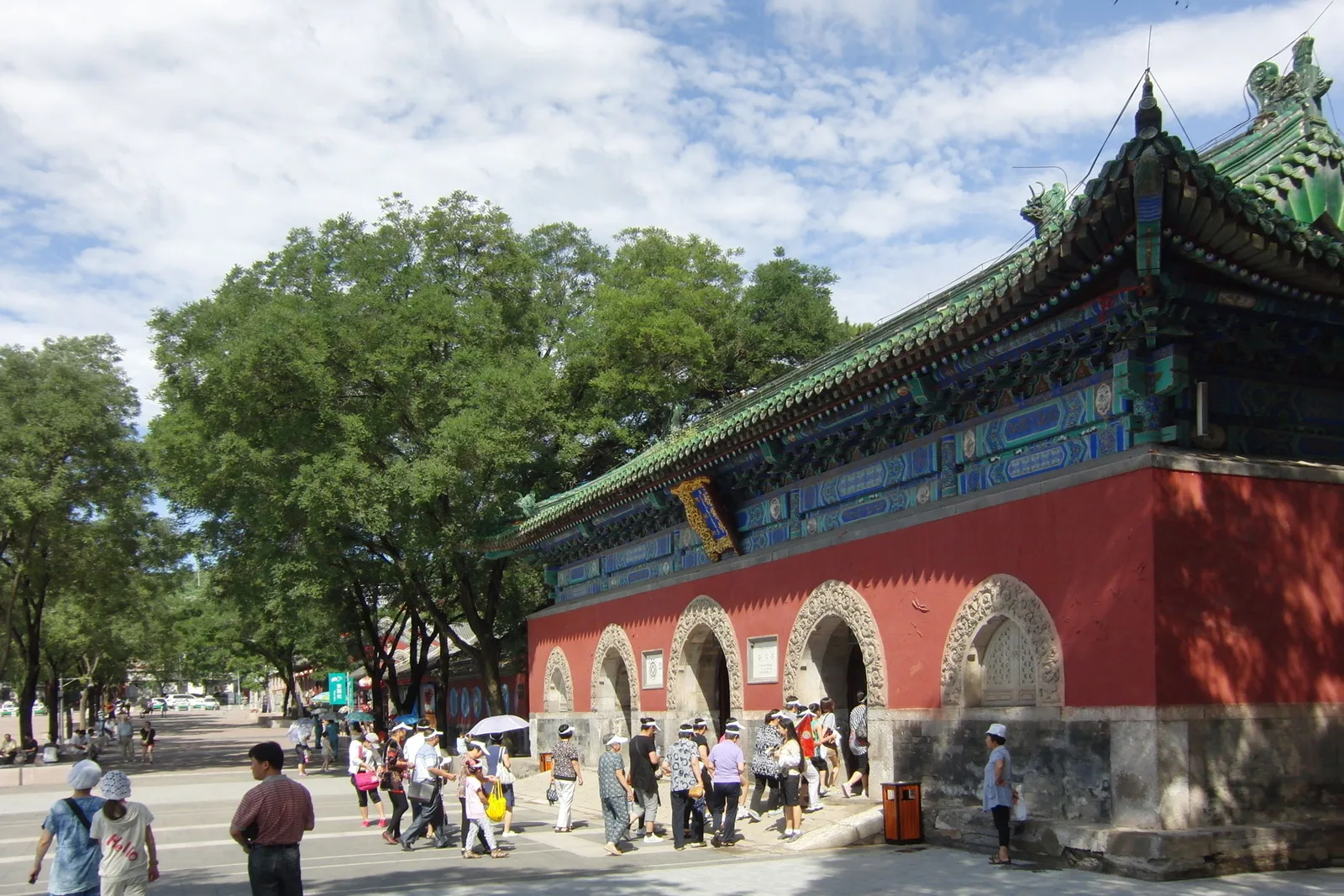
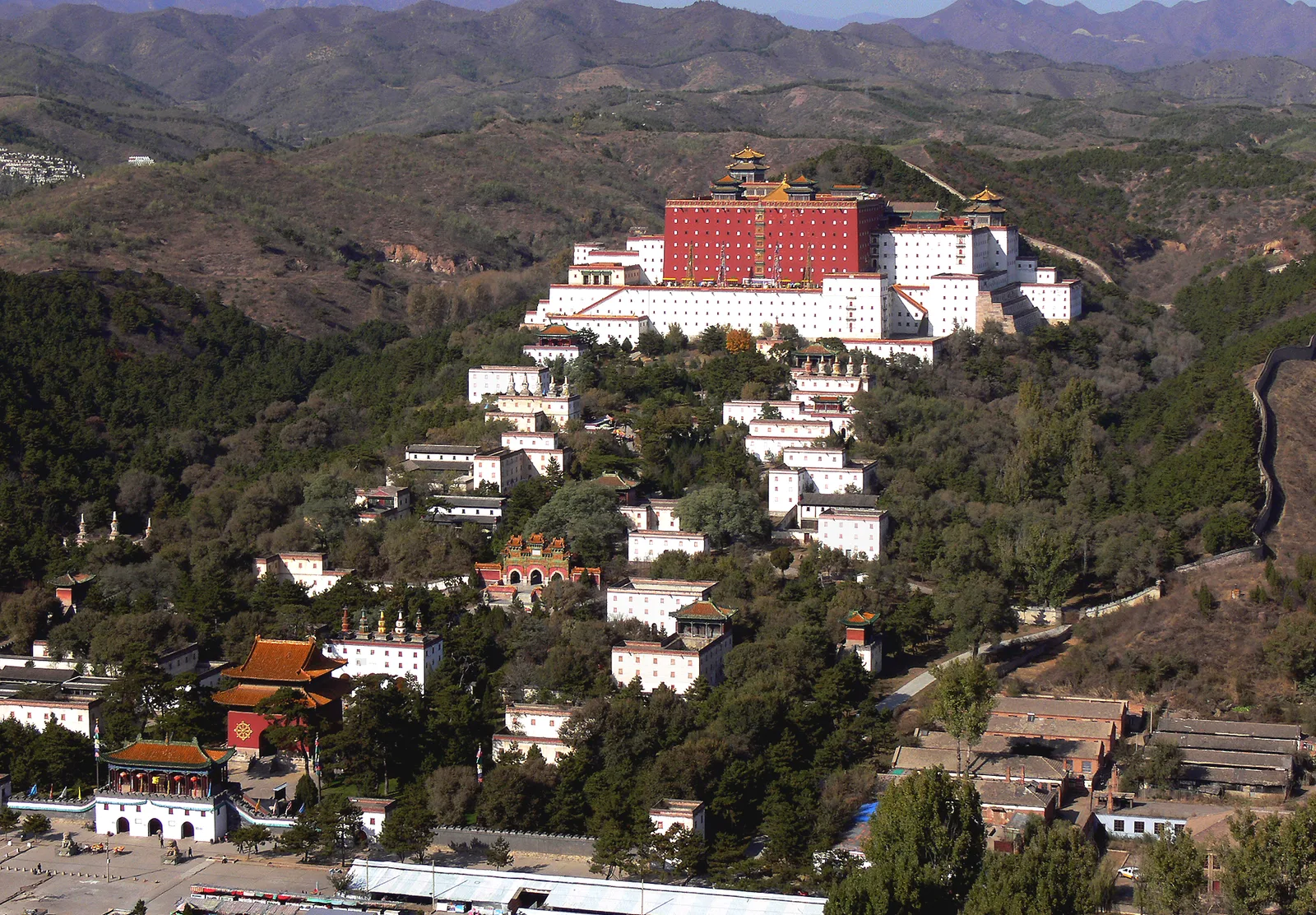
A better plan is to pair two strong temple visits and leave room between them. Puning Temple and Putuo Zongcheng Temple work especially well as a focused pair because they show different sides of Chengde's imperial borderland history. One is known for the Big Buddha Temple context and its giant wooden Guanyin statue, while the other is often approached for its hillside scale, Little Potala Palace impression, and wide viewpoints.
Choose one temple as the anchor
Do not give both temples equal pressure. Pick one as the anchor and let the other support it. If your interest is Buddhist sculpture, temple halls, and a more inward visit, start with Puning Temple in Chengde. Give it the cleaner morning or the more protected part of the day, then treat the second temple as a wider city-and-viewpoint experience.
If your interest is scale, exterior views, layered courtyards, and the feeling of a hillside complex, make Putuo Zongcheng Temple the main stop instead. This works well when the weather is clear and you want more time outside. The route still needs pauses, because climbing, photography, and orientation all take longer than the map distance suggests.
Keep the transfer between temples simple
The weak point in a two-temple day is usually the transfer, not the temples themselves. Before you start, decide how you will move between the two places and where lunch fits. A taxi or ride-hailing transfer can save energy, but only if you have a clear pickup point. If you rely on walking too much, the route can quietly drain the time you meant to spend inside the temple grounds.
This is where the older habit of building a Hebei side trip around one anchor stop still helps. Once the anchor is fixed, the second stop should be easy to reach, easy to leave, and easy to shorten. If the second stop starts creating complicated transport, it is no longer supporting the day.
Put lunch where it protects the afternoon
For a two-temple Chengde plan, lunch should not be an afterthought. It can sit between the two temples if you want a natural reset, or near the second temple if the morning visit runs longer than expected. What matters is that lunch protects the afternoon from becoming a rushed sequence of ticket gates, taxis, and short looks.
The same principle from planning a real rest and lunch window applies here. A quiet meal gives you a chance to check the closing rhythm, weather, energy level, and return transport. If the first visit has already taken more time than expected, lunch is the right moment to reduce the second stop instead of pushing the whole day later.
Decide early whether this is a day trip or overnight route
From Beijing, Chengde can work as a fast trip, but the best two-temple experience often feels better with a night in the city. That does not mean you need two packed days. It means you can arrive, see one major place well, sleep close to the city route, and use the next morning for the second temple before returning with less pressure.
If you are uncertain, compare the temple plan with using one easy overnight to make a Hebei short trip feel less rushed. The overnight version is strongest when you care about both temples equally, want gentler walking, or hope to include the Mountain Resort area without turning the day into a checklist.
Protect the return before adding anything else
After two substantial temple visits, do not add another major stop unless the return window is genuinely comfortable. Chengde's cultural sites can feel close on a map, but station transfers, hotel pickup, dinner decisions, and tired legs all add friction. If your useful return train window is narrow, finish with a meal or a short walk near the departure path.
The return-buffer idea from booking a Hebei trip with a clear return buffer is the final test. If a third stop makes the buffer thin, skip it. A focused Chengde temple day should leave you with a clear memory of the places, not just the feeling of making every transfer on time.
A calm two-temple shape
A practical shape is simple: morning anchor temple, protected lunch, second temple with a flexible exit time, then a station-side finish. If staying overnight, move one temple to the second morning and keep the arrival day light. Either way, the route works best when the temples are allowed to feel different rather than being compressed into the same sightseeing rhythm.
Chengde rewards that slower attention. With only two temple visits, the day can still feel full, but it has room to breathe.


Comments
Post a Comment