Use One Easy Overnight to Make a Hebei Short Trip Feel Less Rushed
A Hebei short trip does not always need to stay inside one long day. Sometimes the best improvement is not adding more attractions, but adding one quiet night. That single overnight can turn a tight train schedule into a calmer route, especially for Chengde, grassland areas, mountain parks, and any destination where the best light or easiest walking time is not in the middle of the day.
The mistake is treating the extra night as permission to overload the plan. A better approach is to use the overnight as a pressure release. Keep the first day focused, protect the evening, and let the second morning do one useful job before returning to Beijing or moving onward.
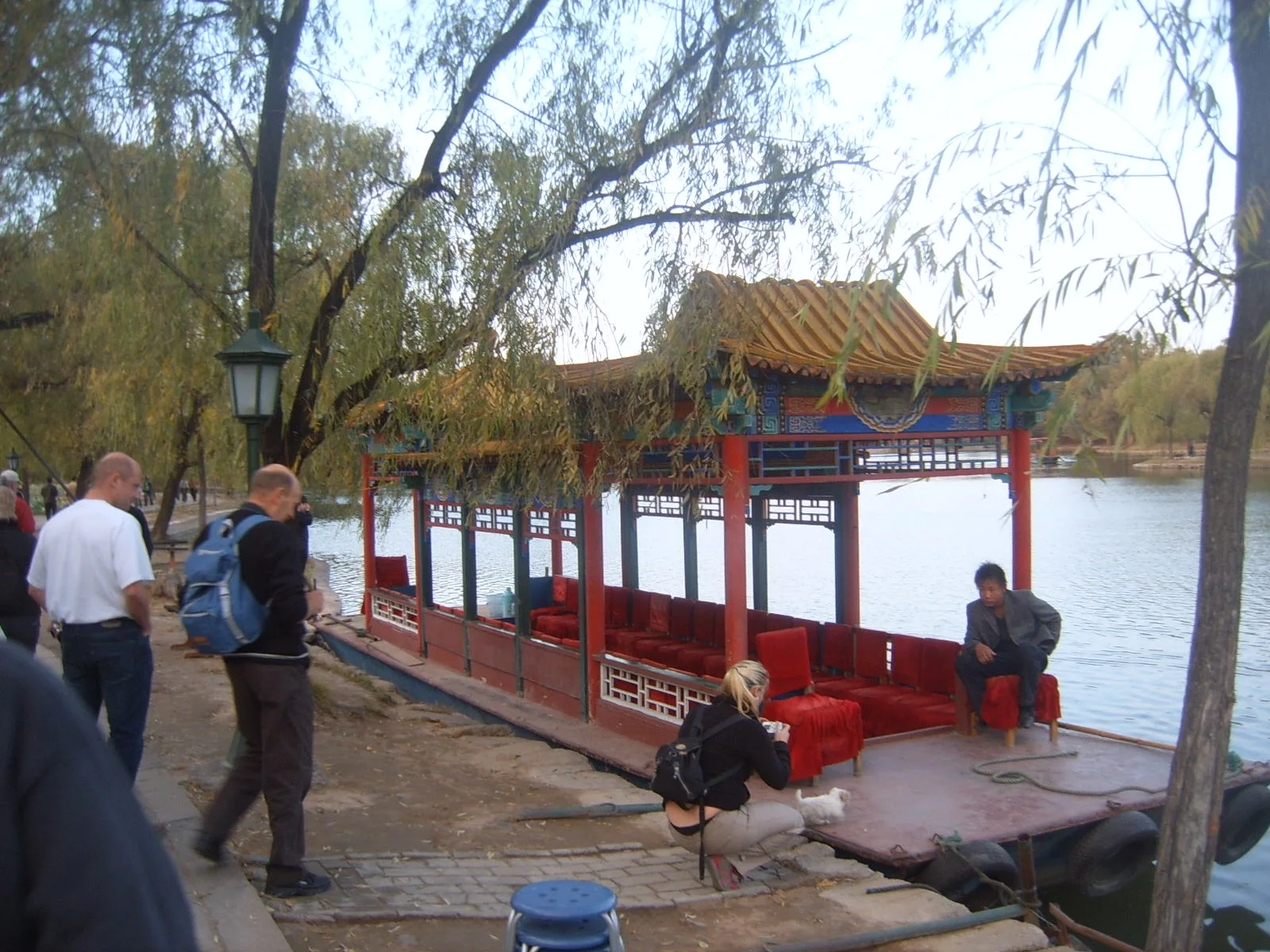
Use the arrival day for settling in, not proving the route
When you stay overnight, the first day should not become a race to justify the hotel. After arrival, choose one main place and one easy meal area. Leave the rest of the evening open. This is especially useful when the train arrives after midday, when the hotel check-in time breaks the flow, or when the destination city has a station that sits away from the old town or scenic area.
If you are still deciding whether the trip should be one day or two, compare this approach with the earlier note on when a Hebei side trip should become an overnight stay. The key difference is practical: once you choose the overnight, do not fill every gap just because the calendar looks bigger.
Let the evening be close to the hotel
A good overnight plan usually has a short evening radius. Pick a hotel area that makes dinner, a light walk, and the next morning's departure point simple. You do not need the most scenic neighborhood if it makes luggage, taxis, or morning transfers awkward. A less dramatic but better-positioned base often improves the whole trip.
This is where the same logic from planning the first hour after arrival still matters. The first hour sets the tone for the night. If you can reach the hotel, drop bags, confirm the next transfer, and find a nearby meal without friction, the overnight has already done its job.
Give the second morning one clear purpose
The second morning should not be a full second itinerary unless you are staying another night. Give it one purpose: a quieter walk in the main scenic area, a museum that was closed or crowded the previous day, a station-side old street, or a short viewpoint before checkout. This keeps the morning useful without creating a new return problem.
For larger places such as Chengde or northern Hebei landscapes, the morning can be the best part of the trip. Temperatures may be easier, streets are often calmer, and the route does not have to compete with a same-day train deadline. Still, keep a clear exit time. A relaxed morning can become stressful if checkout, lunch, and the station transfer all get pushed together.
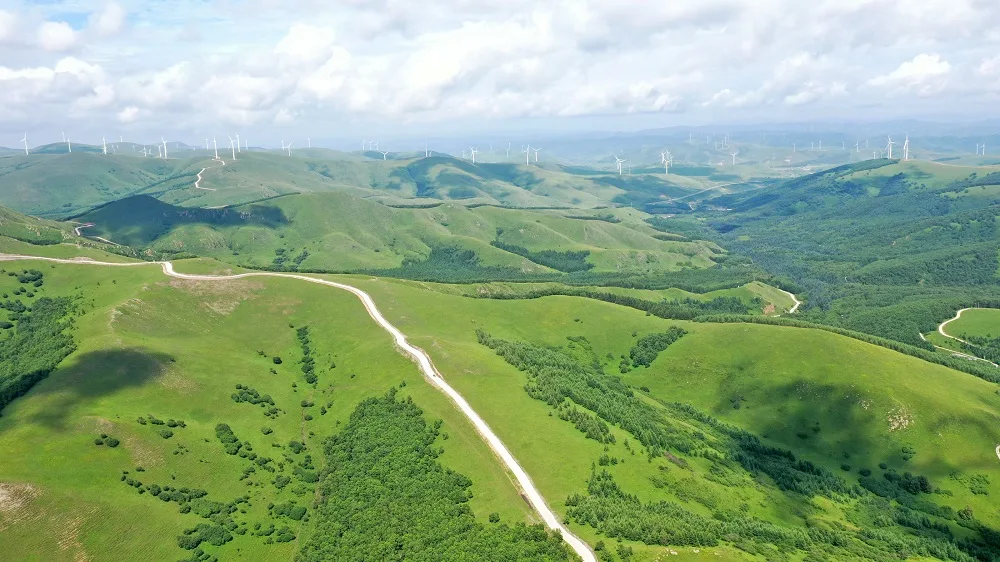
Use the overnight to remove, not add
The strongest overnight plans often include fewer total stops than expected. The night gives you space to remove the weakest part of the route: a rushed dinner, a long evening transfer, a final attraction that does not fit, or an early return that makes the main place feel unfinished. Removing one weak block can make the trip feel richer than adding one more famous name.
If the list still feels crowded, revisit the earlier advice on what to skip so the day still feels good. The same rule applies to overnights. Skip the piece that creates the most movement for the least reward, especially if it pulls you away from the area where you are sleeping.
Keep return planning visible from the start
An overnight does not remove the need for return planning. It simply moves the pressure to the next day. Before booking, check the return train window, checkout time, distance from the hotel to the station, and whether lunch should happen before or after the ride. If the return window is narrow, treat the second morning as a small bonus rather than a full sightseeing block.
The return-buffer method from building a return buffer before booking is still the cleanest test. If the second morning activity makes the return buffer thin, move that activity to the first day or drop it. The overnight should make the trip calmer, not create a new race on departure day.
A simple overnight shape that works
For many Hebei short trips, a steady shape is enough: arrive without rushing, visit one anchor place, stay close to dinner and the hotel, use the second morning for one gentle activity, then return with a protected station buffer. This structure works better than trying to divide the trip into two packed sightseeing days.
One easy overnight is not about seeing everything. It is about giving the best part of the trip enough room. When the evening and the second morning are simple, a nearby Hebei route can feel like a real break rather than a long commute with attractions attached.


Comments
Post a Comment