Plan a Luanzhou Ancient City Day Without Letting the Evening Run Too Late
Old-city routes in Hebei need a different rhythm from museum or mountain days. The streets often feel best later in the day, when the light softens, shops open, and the walking pace becomes easier. But that same evening atmosphere can create a planning trap: if you wait too long for the best mood, the return journey may become the weakest part of the trip.
Luanzhou Ancient City is a good example. It can work as a focused Tangshan-area side trip, but it should not be planned like a quick daytime checklist. The stronger version gives the old-city walk enough time while still protecting dinner, station transfer, and the final train window.
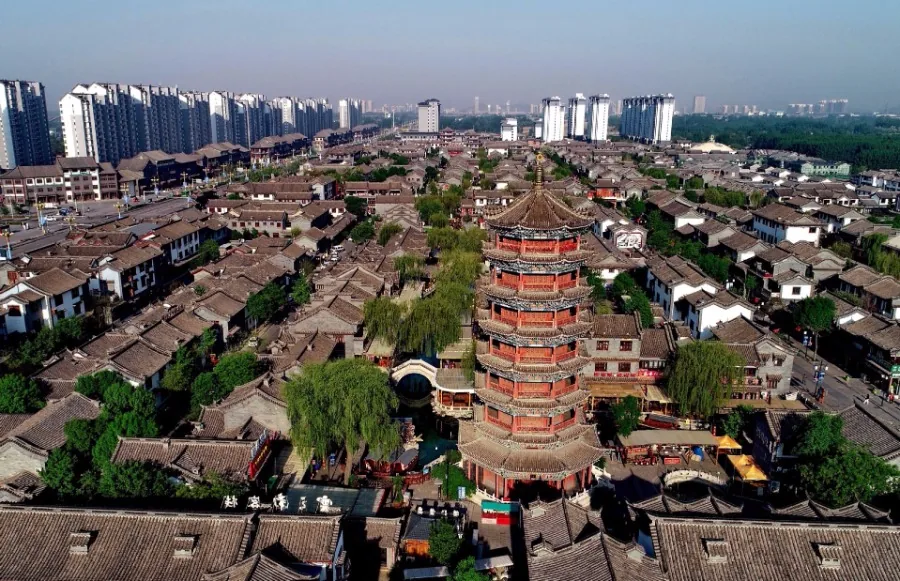
Decide whether Luanzhou is the main reason for the day
If Luanzhou is only a small add-on, the route can quickly feel inefficient. It is better to decide early whether the old city is the anchor. If it is, give it a real time block rather than fitting it after several Tangshan stops. The Luanzhou Ancient City guide is the better place to start for the local walking logic, because the visit depends on streets, gates, towers, meal timing, and the shift from daytime to evening atmosphere.
This is the same planning pattern as building a Hebei side trip around one anchor stop. Once the old city becomes the anchor, everything else should support it. A station-side meal, a simple park stop, or a short coffee break can fit. A second heavy attraction may make the evening too tight.
Use the afternoon carefully
An afternoon arrival can work well for an old-city walk. You avoid the pressure of arriving too early, and you leave room for late-day light. The problem is that afternoon plans often expand without anyone noticing. A slow lunch, a delayed taxi, or too many photo pauses can push the best part of the walk directly against the return window.
Before choosing an afternoon start, compare it with the earlier note on choosing the right start time for a Hebei side trip. For Luanzhou, the best choice depends less on the first train and more on how late you are comfortable returning. If you do not want a late arrival back in Beijing, shift the route earlier and let the evening be short rather than stretched.
Keep Tangshan transport visible in the plan
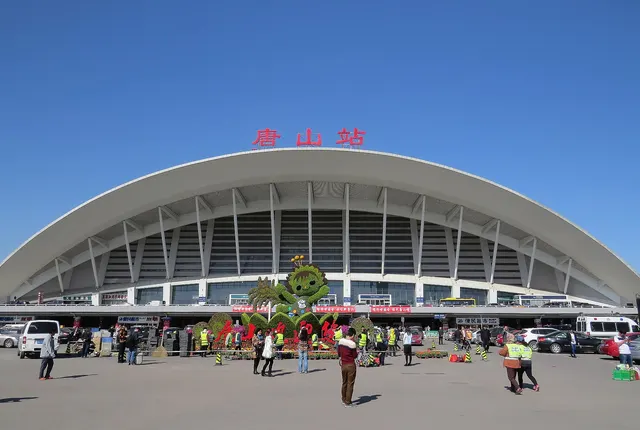
Luanzhou belongs in the wider Tangshan travel area, so the rail plan should be checked before the walking plan gets too detailed. Station names, train times, and transfer distance matter more than a simple city-to-city label. If you are using Tangshan as the larger route frame, the Beijing to Tangshan train guide helps with the rail side of the decision, especially when comparing arrival stations, ticket timing, and a realistic same-day return.
For an old-city day, do not leave the station transfer as a vague last step. Know how you will leave the walking area, how long the transfer normally takes, and what the backup train looks like if dinner runs long. This keeps the evening from becoming a gamble.
Make dinner easy to shorten
Dinner is where old-city routes often lose control. A relaxed meal sounds perfect after a walk, but if the restaurant is slow or far from the exit route, the whole finish becomes rushed. A better plan is to choose a dining area, not one irreplaceable restaurant. Keep the meal near the walking route or near the transfer path, and decide in advance when dinner must end.
The same rule from planning a real rest and meal window still applies later in the day. A good break should make the route calmer. If dinner creates a new transport problem, it is no longer helping the trip.
Use one flexible extra, not two
If you want to add another stop, keep it flexible. A short riverside walk, station-area coffee, or a simple photo point can support the old-city plan. Two extras usually do the opposite. They pull attention away from the old city and make the return dependent on perfect timing.
This is especially true if the visit overlaps with lights, evening crowds, or weekend traffic. The more atmosphere you want from the old city, the less space you have for unrelated stops. A good rule is simple: if the extra stop would still feel worthwhile when shortened to 30 minutes, it can stay. If it needs a full hour or more to feel meaningful, save it for another trip.
Protect the return before the lights come on
Do not wait until the walk is finished to think about the return. Check the time before the evening mood fully takes over. If you still have a comfortable train buffer, stay longer. If the buffer is getting thin, leave while the route still feels successful rather than pushing for one more street or photo angle.
The return-buffer method from planning the trip back to Beijing is the final filter. Luanzhou can be a satisfying day when the old-city walk has room to breathe. It becomes tiring when the best part of the day is followed by a rushed station transfer.
A clean Luanzhou day shape
A steady version looks like this: arrive with enough margin, keep the early part light, give Luanzhou the main walking block, use dinner only if it fits the return plan, and leave with a protected train buffer. That shape does not try to turn the day into a grand Tangshan itinerary. It lets one old-city experience carry the trip well.
For a place built around streets, atmosphere, and timing, that restraint is the point. The route feels better when the evening is planned, not improvised at the last minute.


Comments
Post a Comment