Plan a Quiet Shijiazhuang Day Around Pilu Temple's Ming Murals
Some city days work best when they are built around one small, serious stop rather than a long list. Pilu Temple in northwest Shijiazhuang is a good example. The grounds are compact, but the Ming mural program inside its principal halls gives the visit real depth. Treat it as the center of a calm half-day, then let the rest of the route stay light.
This is not the kind of place that benefits from arriving late, taking a few quick photos, and racing toward three more attractions. It is better for travelers who want to slow down, notice details, and leave enough space around the visit for the local transfer and a proper meal.
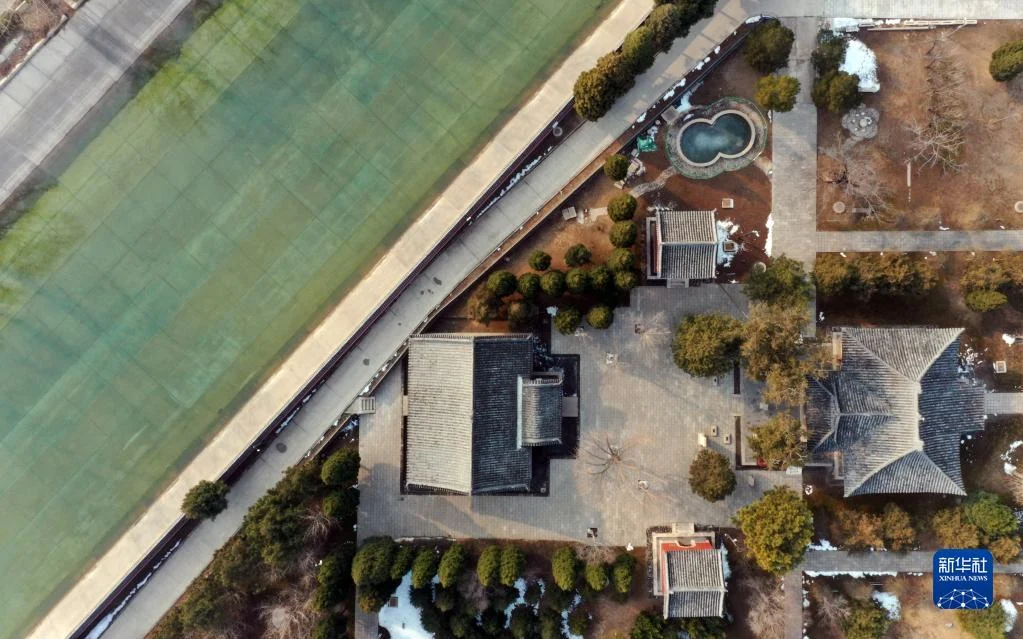
Make the temple the morning anchor
Start by deciding that Pilu Temple is the main reason for the day. A morning arrival is useful because it leaves room for an unhurried transfer, a careful look inside, and a second lighter stop afterward. Save the Chinese address on your phone before you leave the hotel or station, and check the day’s local transport option rather than relying on a straight-line map estimate.
The site is especially meaningful for its painted walls. The murals bring together Buddhist, Daoist, and Confucian imagery, so there is more to see than a single central figure or an architectural exterior. The Pilu Temple guide gives useful background for reading the murals and explains why a modest-looking temple can be such an important art-history stop.
Give the paintings the right kind of time
Plan to look rather than to collect. Notice how groups of figures are arranged, how color and line hold a crowded scene together, and how inscriptions, clouds, costumes, and architecture create layers within the wall paintings. You do not need to identify every figure for the visit to be rewarding.
Interior conditions and conservation arrangements can change, so check current access and photography rules locally on the day. Do not assume that flash or interior photography is allowed. A quiet pace, distance from the murals, and immediate attention to staff guidance are part of a respectful visit.
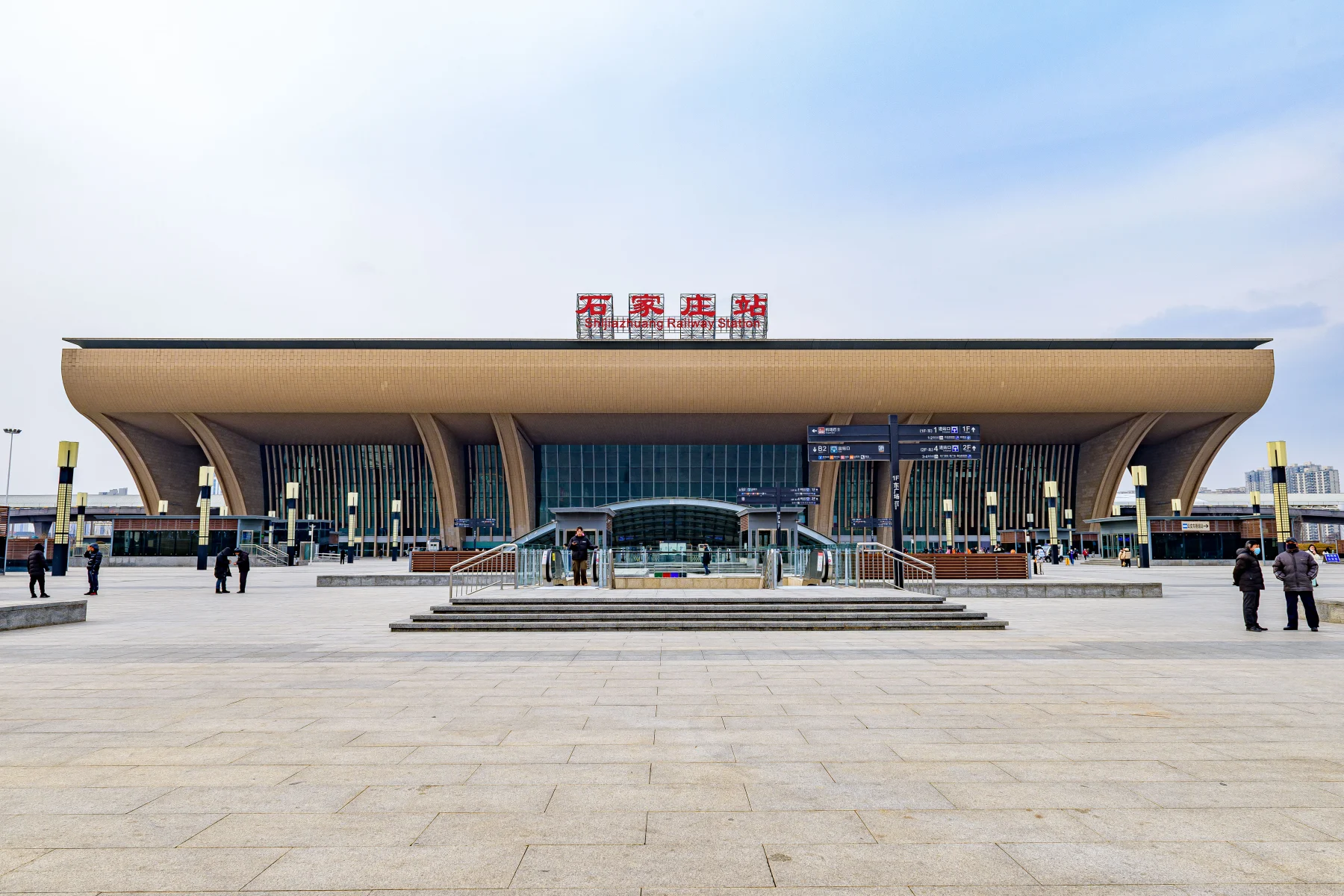
Build the arrival around the transfer, not just the train
For a day beginning in Beijing, the train is only one part of the route. Shijiazhuang Railway Station is a practical arrival point, but Pilu Temple is not an immediate station-side stop. Keep the train schedule, station exit, local transfer, and return boundary in the same plan. The Beijing to Shijiazhuang high-speed train guide is a useful reference when choosing the rail leg and working out what time the city day can realistically start.
Once you arrive, do not make the first hour a negotiation with the map. Go directly toward the temple, with a simple backup in mind if transport is slower than expected. The earlier note on planning the first hour after arrival is a helpful companion for keeping that transition calm.
Choose one contrast after the temple
After a mural-focused morning, add one contrasting place rather than another long religious-art visit. A museum, a central-city walk, or an easy lunch near the next part of the route works better than trying to turn the afternoon into a cross-city checklist. The contrast lets the temple remain the day’s clearest memory.
This follows a useful planning rule: the supporting stop should be easy to drop if the first visit takes longer or the transfer is tiring. The note on building a Hebei side trip around one anchor stop explains why that makes a day feel complete even when it stays modest.
Protect the middle and the return
Do not let lunch become an afterthought. The most satisfying version of this route has a real pause after the temple, before deciding whether to continue to the city center or start back toward the station. A meal does not need to be special; it just needs to fit the direction of travel and leave enough energy for the next transfer.
Before you settle into the afternoon, check the comfortable time to leave the final stop. Include local traffic, station entry, security, and a small buffer before the train. The earlier note on building a return buffer for a Hebei day trip is useful when the route starts to look fuller than the day can carry.
A day with one clear purpose
Pilu Temple works best when it is allowed to be the point of the trip: a quiet, concentrated encounter with Ming mural art, followed by one easy supporting stop and an unhurried return. The day does not need many names on the itinerary. It needs enough time to look carefully, move comfortably, and leave Shijiazhuang with one experience that feels properly finished.


Comments
Post a Comment