Let One Lake View Carry a Hebei Mountain Day Without Overpacking It
A mountain-lake day in Hebei can look simple at first: arrive, see the water, take photos, maybe add a nearby town or historic stop, then return. In practice, these routes often need more restraint. The scenery is spread out, viewpoints take time, boat schedules or shuttle links may affect the pace, and the final return can feel farther away than it looked in the morning.
The strongest version is usually not the most crowded one. Choose one lake or mountain-view area as the reason for the trip, then let the rest of the day support that experience. That gives the route enough space for weather, walking, meals, and the return journey without turning a scenic day into a transport puzzle.
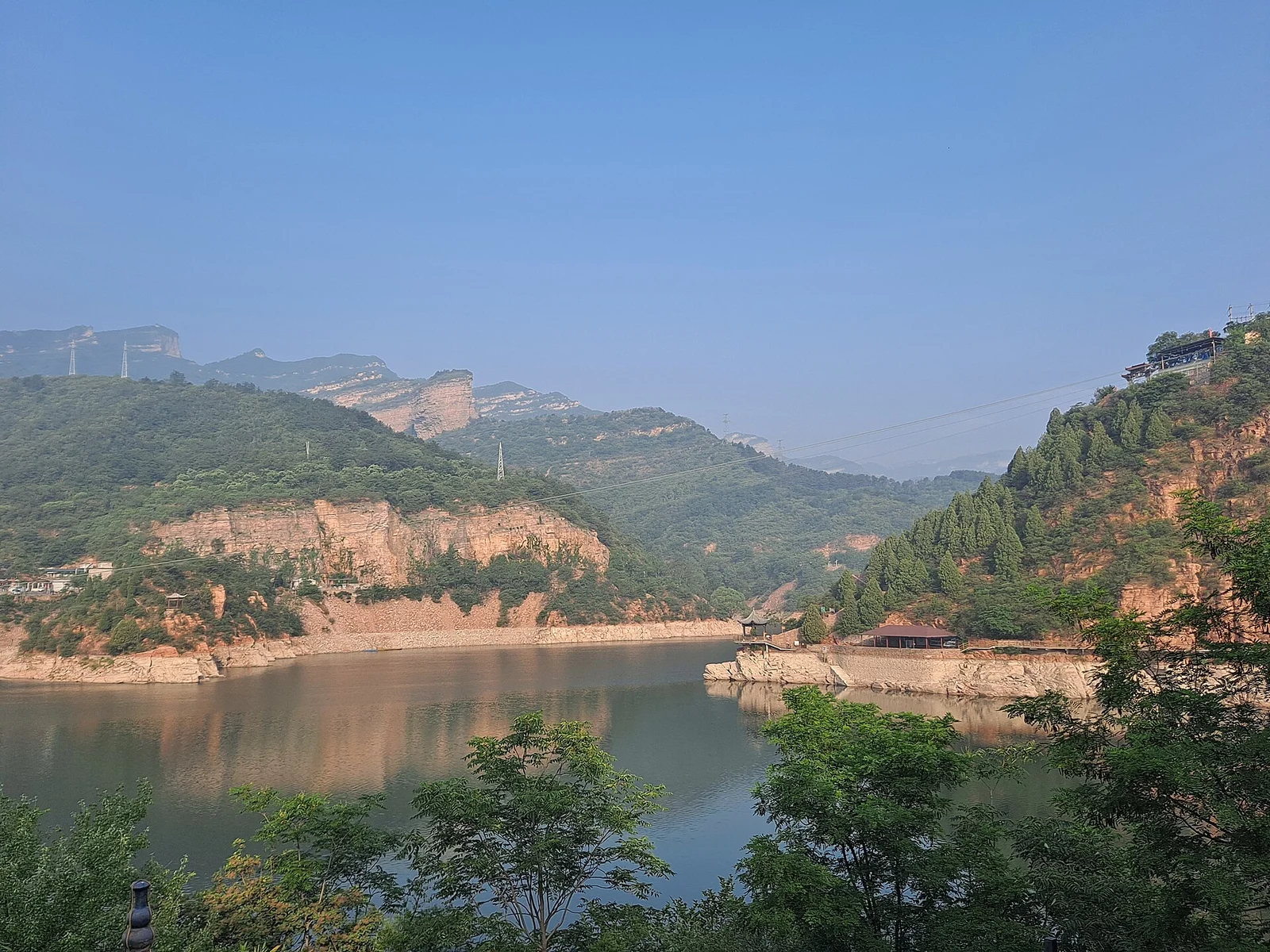
Pick the scenic area as the anchor
If the lake is the reason for the day, let it be the anchor. Do not treat it as one stop among several equal stops. Water views, cliff paths, photo pauses, ticketing, and internal transfers can all stretch the visit. If you protect the lake first, the rest of the route becomes easier to judge.
This follows the same idea as building a Hebei side trip around one anchor stop. The anchor should get the best time and the least rushed energy. Everything else should be easy to shorten or remove.
Do not start too late unless the return is easy
A lake day can tempt travelers into a relaxed start, especially when the goal is scenery rather than a museum opening time. But if the scenic area sits away from the rail station, a late start can compress the best part of the day. By the time you arrive, eat, transfer, and enter the scenic area, the return window may already be narrowing.
Use the earlier thinking on choosing a morning or afternoon start. A morning start is usually better when the scenic area needs a road transfer or when you want to keep dinner flexible. A later start works only if you have checked the final train and are comfortable with a shorter visit.
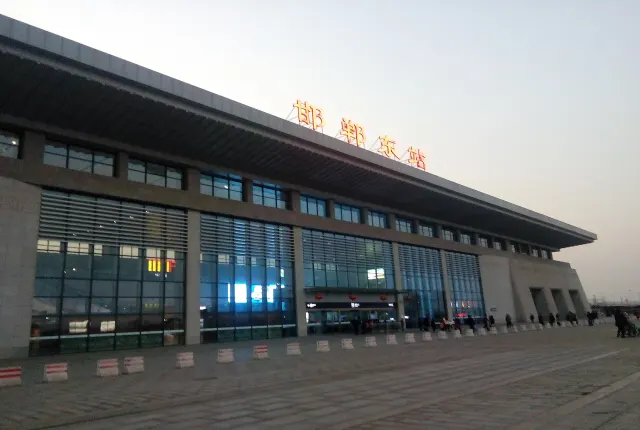
Keep the second stop light
After a scenic lake visit, the second stop should be light and practical. A simple meal area, short city walk, or station-side rest can work. A second full attraction often makes the day fragile because it adds another transfer, another ticketing process, and another decision about when to leave.
If you are unsure what to remove, the advice in what to skip on a Hebei side trip is useful here. Cut the stop that creates the most movement for the least reward. On a scenic day, that usually means protecting the lake view and dropping a distant add-on.
Build a meal around the route, not the other way around
Meals should help the route breathe. If lunch happens before the scenic area, keep it close and predictable. If it happens afterward, choose a place that points toward the return path. A long detour for food can undo the calm that the scenery created.
A mountain-lake route also benefits from a small snack and water plan. Scenic areas are not always convenient when everyone gets hungry at the same time. A simple backup keeps the day from depending on one restaurant or one perfect break.
Check the return before adding sunset plans
Lake scenery can be beautiful later in the day, but sunset plans need a hard return check. If the scenic area is far from the station, staying for the best light may mean leaving very little margin afterward. That can work for an overnight route, but it is a risk for a same-day return.
The return-buffer method in planning the trip back to Beijing is the final filter. If sunset or a late walk still leaves a healthy station buffer, keep it. If it depends on perfect traffic, leave earlier and let the day end cleanly.
A clean mountain-lake day shape
A steady route is simple: start early enough, make the lake the anchor, keep lunch practical, add only one flexible light stop, and protect the return before the scenic mood starts stretching the schedule. That shape gives the day a clear purpose without forcing too many pieces into it.
For Hebei mountain scenery, less can feel like more. A lake view has enough weight to carry the day when the plan gives it room.


Comments
Post a Comment